
Jurinea humilis
Jurinea humilis
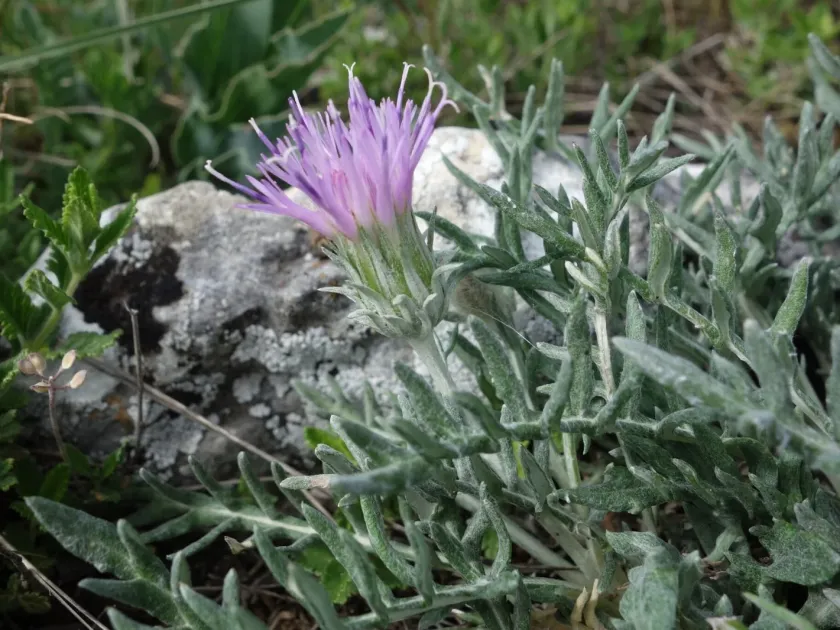
Description
Growing requirements
Jurinea humilis is a perennial herbaceous plant belonging to the Asteraceae family. Known for its adaptation to rocky and arid environments, this species typically grows in mountainous regions and dry steppes of Europe, where it survives in harsh, nutrient-poor substrates.
Botanically, the plant forms a basal rosette of pinnatisect, pubescent leaves. This structural adaptation reduces water loss through transpiration, allowing the plant to thrive in regions with low annual rainfall and significant temperature fluctuations.
In terms of agricultural requirements, Jurinea humilis demands full sun exposure and excellent drainage. It is highly intolerant of waterlogged soil, which causes rapid root rot. Cultivation sites should ideally feature limestone or stony soil with an alkaline to neutral pH.
Regarding soil management, regular aeration is necessary to encourage deep root development. The species does not require heavy fertilization; however, supplemental potassium application can improve the plant's resilience during the cold season or periods of extreme heat.
The establishment phase is critical, as seedlings grow slowly and require competition-free conditions. Keeping the fields free from invasive weeds is the most labor-intensive part of the production cycle for this crop.
Main diseases and pests
The primary threats to Jurinea humilis are fungal diseases, particularly root and crown rot, which occur when soil moisture levels are poorly managed. Ensuring proper drainage is the most effective preventative measure against these infections.
Pests such as aphids and various larvae can damage the leaves and floral buds. Integrated pest management strategies are recommended, focusing on early detection and the use of targeted, low-toxicity insecticides if economic damage thresholds are exceeded.
Mildew infections may occur in environments with low airflow. Planting density should be carefully managed to allow for natural ventilation, which lowers the humidity levels around the foliage and prevents the spread of spores.
Soil-borne nematodes can pose a risk in certain regions. Crop rotation is essential to prevent the buildup of soil pathogens and maintain the long-term health of the plantation area.
Maintaining a balanced nutritional profile for the plants acts as a defense mechanism, making them less susceptible to insect attacks and fungal pathogens. Regular inspection remains the most vital part of the crop protection strategy.