
Jurinea pinnata
Jurinea pinnata
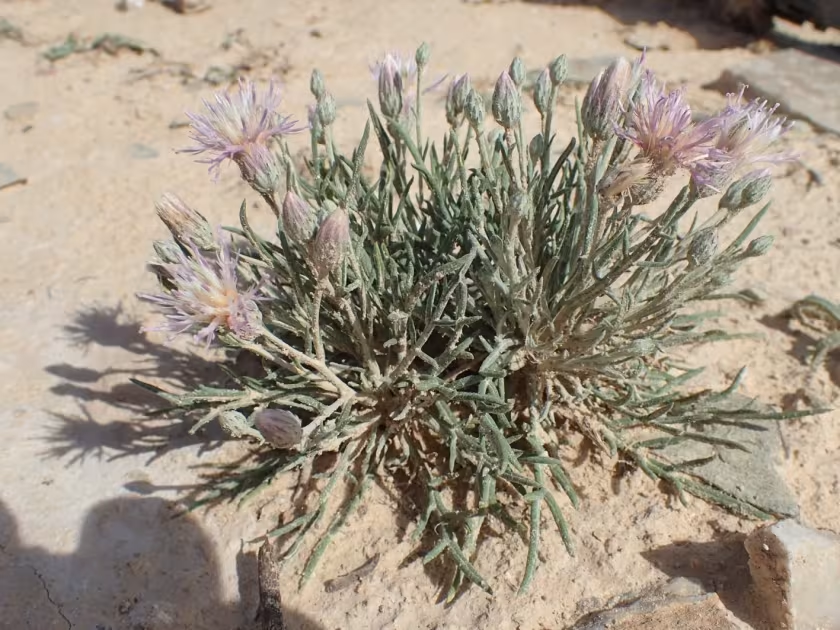
Description
Growing requirements
Jurinea pinnata is a perennial herbaceous plant belonging to the Asteraceae family. It is a classic representative of steppe ecosystems, well-adapted to surviving in harsh, arid environmental conditions where water availability is chronically low.
The plant originates from the Eurasian steppe regions, typically occupying open, rocky slopes and limestone outcrops. Its root system is deep and penetrating, designed to reach subterranean moisture and anchor the plant firmly in stony or unstable soils.
Morphologically, the plant features pinnately divided leaves often covered with fine hairs, which act as a physical barrier to minimize water loss through transpiration. This adaptation allows the species to maintain its physiological functions during intense heat waves.
The environmental requirements include full exposure to sunlight and excellent soil drainage. It cannot thrive in waterlogged conditions, as its root system is highly prone to fungal degradation when subjected to prolonged periods of anaerobic soil state.
Agrotechnical management of Jurinea pinnata is minimal, as the species performs best in low-fertility, unimproved soils. It does not require intensive nitrogen fertilization, which can actually encourage weed competition and negatively affect the plant's health.
Main diseases and pests
The primary threats to Jurinea pinnata are habitat loss due to agricultural intensification, including steppe plowing and overgrazing. These activities destroy the fragile soil structure necessary for the establishment of this slow-growing plant.
Pathological risks are mostly associated with humidity-related stress. Overwatering or poor drainage often leads to root rot, which is the most significant disease threat for plants grown in horticultural settings or controlled environments.
Insects and pests, such as aphids and specific beetles, can infest the floral structures, reducing the viability of seeds. While the plant has some natural resilience, high pest densities can severely restrict its reproductive output in a single season.
Invasive weed encroachment is a critical threat. Because Jurinea pinnata is a slow developer, it is easily outcompeted for light and soil nutrients by faster-growing, opportunistic plant species in the vicinity.
Finally, climate-induced instability, such as erratic frost cycles without snow cover, can severely damage the plant's overwintering structures. Such weather events diminish the overall vigor of the population and reduce the potential for successful spring regrowth.