
Jurinea ewersmanii
Jurinea ewersmanii
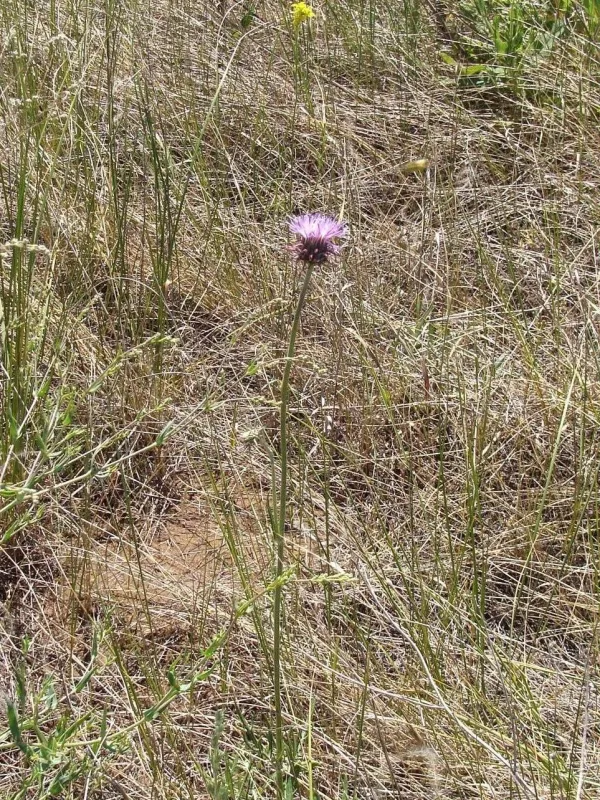
Description
Sowing dates
Jurinea ewersmanii is a perennial herbaceous plant from the Asteraceae family, valued for its hardiness and potential in medicinal and landscaping applications.
Seeds of this species require cold stratification to break dormancy, making autumn sowing or early spring sowing the most effective methods for germination.
For optimal results, seeds should be sown at a shallow depth of 1–2 cm, ensuring that they maintain contact with the soil for better moisture uptake.
As the plant develops a taproot system early on, it is essential to ensure that the soil is sufficiently loose to allow for deep root penetration.
Spacing between rows should be maintained at 45–60 cm to allow for proper air circulation and to minimize competition for nutrients during the active growth stage.
Growing requirements
This species is native to steppe environments and is well-adapted to harsh conditions characterized by intense solar radiation and minimal rainfall.
It thrives best in light, well-draining soils with a neutral or slightly alkaline pH, avoiding heavy clay soils that retain excess moisture.
Full sun exposure is a non-negotiable requirement for the successful development and flowering of Jurinea ewersmanii in agricultural fields.
The plant is highly drought-tolerant, meaning that irrigation should only be supplementary and used sparingly during the driest parts of the growing season.
Temperature tolerance is broad, as the species is adapted to continental climates with hot summers and cold winters, showing strong survival mechanisms.
Main diseases and pests
Root rot is the most common pathology, usually triggered by improper drainage or long-term stagnant moisture in the root zone during the spring thaw.
Pests such as aphids can cause damage during the flowering season by feeding on the sap of young buds, potentially reducing seed yields.
Various coleopteran pests, specifically weevils, may target the floral heads, which requires careful monitoring and integrated pest management.
Powdery mildew can occur if planting density is too high, creating a microclimate with poor airflow that favors fungal spore germination.
To maintain plant health, it is recommended to monitor fields weekly and implement preventive weed control to reduce stress on the crop.