
Jurinea arachnoidea
Jurinea arachnoidea
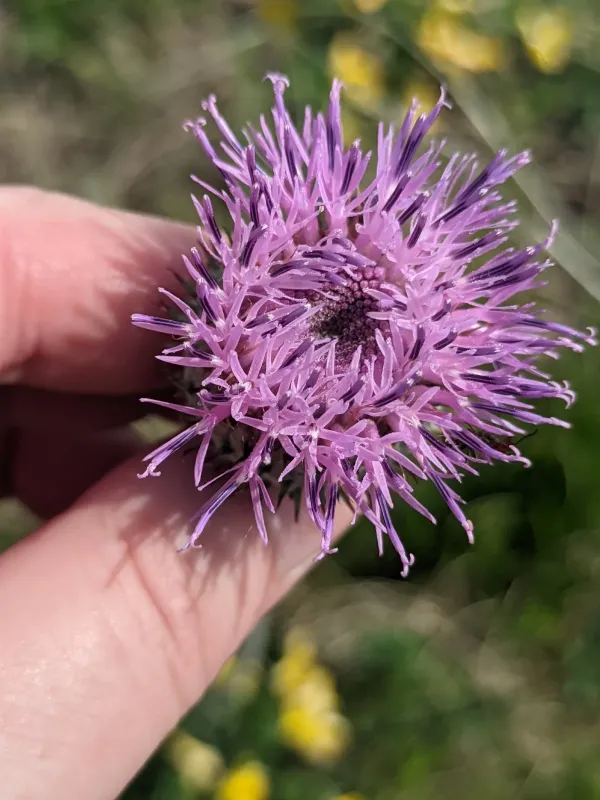
Description
Sowing dates
Jurinea arachnoidea is a herbaceous perennial species within the Asteraceae family. For successful cultivation, seeds are typically sown in late autumn or early spring, as the species requires a period of cold stratification to break dormancy and ensure uniform germination.
When sowing in the spring, the soil temperature should ideally reach 10-12 degrees Celsius. Seeds should be planted at a shallow depth of 1.5 to 2 centimeters, as they require oxygen and are sensitive to heavy soil compaction during the emergence stage.
The spacing between rows should be maintained at 45 to 60 centimeters. This allows for the development of a strong basal rosette during the first year of growth and provides ample space for mechanical weeding and cultural management throughout the season.
Field emergence can be slow and sporadic, making consistent soil moisture critical during the initial weeks of germination. Mulching can play a vital role in maintaining the necessary soil structure and protecting young seedlings from drying winds.
Using high-quality seeds from genetically stable populations is essential for uniform crop performance. Producers should focus on selecting seeds that show high vitality, which significantly improves the density and overall health of the established stands.
Growing requirements
Jurinea arachnoidea thrives in sunny, open habitats with well-drained soil. It is particularly well-suited to sandy loams and loamy soils with neutral to slightly alkaline pH levels, reflecting its natural adaptation to dry, rocky environments.
The species exhibits remarkable drought tolerance, making it an excellent candidate for less fertile areas. However, it is highly sensitive to waterlogging. Poorly drained soils often lead to root rot, which is the primary cause of plant failure in agricultural settings.
Climate conditions typical of steppe or semi-arid regions are optimal for this plant. It is highly resistant to extreme heat and can withstand the significant temperature fluctuations characteristic of continental climates during the growing season.
Soil preparation should include deep plowing to support the plant's taproot system, which can reach deep into the soil profile. Removing perennial weeds prior to planting is crucial, as the young Jurinea plants compete poorly for resources in the first year.
Fertilization should be applied moderately, focusing on phosphorus and potassium to promote root health and winter hardiness. Excessive nitrogen use should be avoided, as it can cause rapid, succulent growth that is more susceptible to fungal pathogens and winter injury.
Main diseases and pests
Fungal infections, particularly root rot, represent the most significant threat to Jurinea arachnoidea. These pathogens proliferate rapidly in poorly drained soils or during periods of excessive rainfall, often destroying the plant's vascular system.
Powdery mildew can affect the foliage during the middle of summer, particularly in humid or stagnant air conditions. Improving air circulation by properly spacing the plants and ensuring weed control are the most effective management strategies.
Insects like aphids and certain species of caterpillars may feed on the leaves and flower buds. Integrated pest management, focusing on biological controls, is highly recommended to protect the crop without harming beneficial insects in the local ecosystem.
Rust diseases may manifest as orange or brown pustules on the undersides of leaves. Sanitary measures, such as removing and burning infected plant material at the end of the season, are necessary to reduce the inoculum level for the following year.
Crop rotation is mandatory to maintain soil health and reduce the buildup of species-specific pathogens. A cycle of at least 4-5 years before returning the crop to the same plot is advised to ensure long-term sustainability and yield quality.
Harvesting
Harvesting the aerial parts of Jurinea arachnoidea is typically performed during the full flowering stage. This timing ensures that the concentration of desired phytochemicals is at its peak, providing the best quality raw material for post-harvest use.
Cuts should be made at a height of 5-10 centimeters above the ground. This preserves the basal rosette, allowing the plant to regrow effectively in future seasons if managed as a perennial crop, which increases the long-term economic efficiency of the planting.
The harvested material must be dried in a well-ventilated area, away from direct sunlight, to prevent the degradation of heat-sensitive components. Thin layers on drying racks facilitate rapid and uniform moisture removal, preventing mold formation.
During the drying process, the material should be turned periodically to ensure even moisture loss. Once the stems become brittle and snap easily, the drying process is complete and the product can be prepared for final storage.
Stored material should be kept in breathable packaging within a cool, dark, and dry environment. Regular inspection of stored supplies is necessary to ensure they remain free from moisture and pests, maintaining their quality until market distribution.