
Reference · Crops
Brassicaceae
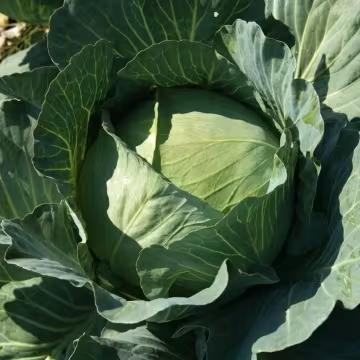
The Brassicaceae family, historically known as Cruciferae, comprises a diverse group of essential agricultural crops. This family includes staples such as cabbage, broccoli, cauliflower, radish, rapeseed, and mustard. These plants are globally significant due to their nutritional value, industrial applications, and high economic yield in modern farming systems.
666
sections
What the section contains
 Cardamine uliginosa
Cardamine uliginosa
Cardamine uliginosa
 Cardamine waldsteinii
Cardamine waldsteinii
Cardamine waldsteinii
 Cardamine yezoensis
Cardamine yezoensis
Cardamine yezoensis
 Carrichtera
Carrichtera
Carrichtera
 Cartilaginous pepperwort
Lepidium cartilagineum
Cartilaginous pepperwort
Lepidium cartilagineum
 Catolobus
1 item
Catolobus
Catolobus
1 item
 Caulanthus
2 items
Caulanthus
Caulanthus
2 items
 Chinese bittercress
Cardamine lyrata
Chinese bittercress
Cardamine lyrata
 Chorispora
1 item
Chorispora
Chorispora
1 item
 Chorispora sabulosa
Chorispora sabulosa
Chorispora sabulosa
 Chorispora sibirica
Chorispora sibirica
Chorispora sibirica
 Chorispora syriaca
Chrysochamela
Chrysochamela
1 item
Chorispora syriaca
Chorispora syriaca
Chrysochamela
Chrysochamela
1 item
 Clausia
 Korn.-Trotzky ex Hayek
1 item
Clausia
Clausia
1 item
Clausia
Clausia Korn.-Trotzky ex Hayek
1 item
Clausia
Clausia
1 item
 Clypeola jonthlaspi
Clypeola jonthlaspi
Clypeola jonthlaspi
 Clypeola lappacea
Clypeola lappacea
Clypeola lappacea
 Coincya monensis
Coincya monensis
Coincya monensis
 Coincya richeri
Coincya transtagana
Coincya transtagana
Coincya richeri
Coincya richeri
Coincya transtagana
Coincya transtagana
 Coincya wrightii
Coincya wrightii
Coincya wrightii
 Conringia
2 items
Conringia
Conringia
2 items
 Coralroot bittercress
Cardamine bulbifera
Coralroot bittercress
Cardamine bulbifera
 Cordylocarpus
1 item
Cordylocarpus
Cordylocarpus
1 item
 Corsican alyssum
Alyssum corsicum
Corsican alyssum
Alyssum corsicum
 Costa Rican cress
Lepidium costaricense
Costa Rican cress
Lepidium costaricense
 Crambe cordifolia
Crambe cordifolia
Crambe cordifolia
 Crambe filiformis
Crambe filiformis
Crambe filiformis
 Crambe fruticosa
Crambe fruticosa
Crambe fruticosa
 Crambe grandiflora
Crambe grandiflora
Crambe grandiflora
 Crambe kralickii
Crambe kralickii
Crambe kralickii
 Creeping bittercress
Cardamine prorepens
Creeping bittercress
Cardamine prorepens
 Creeping yellow-cress
Rorippa sylvestris
Creeping yellow-cress
Rorippa sylvestris
 Cretan cabbage
Brassica cretica
Cretan cabbage
Brassica cretica
 Cretan whitlow-grass
Draba cretica
Cretan whitlow-grass
Draba cretica
 Cuckoo flower
Cardamine pratensis
Cuckoo flower
Cardamine pratensis
 Curvepod yellowcress
Rorippa curvisiliqua
Curvepod yellowcress
Rorippa curvisiliqua
 Cutleaf toothwort
Cardamine concatenata
Damask alyssum
Alyssum damascenum
Cutleaf toothwort
Cardamine concatenata
Damask alyssum
Alyssum damascenum
 Dame's violet
Hesperis inodora
Daurian whitlow-grass
Draba daurica
Dame's violet
Hesperis inodora
Daurian whitlow-grass
Draba daurica
 Dede's Whitlow-grass
Draba dedeana
Dede's Whitlow-grass
Draba dedeana
 Degenia
1 item
Degenia
Degenia
1 item
 Descurainia
4 items
Descurainia
Descurainia
4 items
 Desideria
1 item
Desmodium jucundum
Desmodium jucundum
Desideria
Desideria
1 item
Desmodium jucundum
Desmodium jucundum
 Didesmus
2 items
Dilophia
Dilophia
1 item
Didesmus
Didesmus
2 items
Dilophia
Dilophia
1 item
 Dimorphocarpa
1 item
Dimorphocarpa
Dimorphocarpa
1 item
 Diplotaxis
 DC.
4 items
Diplotaxis
Diplotaxis
10 items
Diplotaxis
Diplotaxis DC.
4 items
Diplotaxis
Diplotaxis
10 items
 Diptychocarpus
1 item
Diptychocarpus
Diptychocarpus
1 item
 Discovium
Discovium
Discovium
 Dithyrea
1 item
Dithyrea
Dithyrea
1 item
 Dontostemon
2 items
Dontostemon
Dontostemon
2 items
 Draba
Draba hybrids
Draba acaulis
Draba acaulis
Draba
Draba hybrids
Draba acaulis
Draba acaulis
 Draba antilibanotica
Draba antilibanotica
Draba antilibanotica
 Draba araratica
Draba araratica
Draba araratica
 Draba aspera
Draba aspera
Draba aspera
Marketplace
Products in this section · 12



Brassicaceae
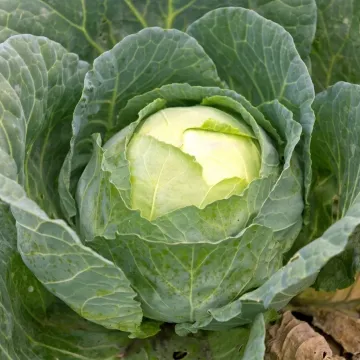
The origins of the Brassicaceae family are traced back to the Mediterranean region and parts of Asia, where they were domesticated thousands of years ago. Today, their range of cultivation extends to almost every climate zone, from temperate Northern Europe to arid regions of the Southern Hemisphere. Their wide adaptability has made them a cornerstone of global agriculture.
Botanically, these plants are identified by their four-petaled flowers arranged in a cross-like pattern, which serves as the primary diagnostic feature. They produce fruit in the form of a silique or silicle. Many species are biennial, developing a vegetative rosette in the first year and producing flowers and seeds in the second, although many modern cultivars are annuals bred for rapid harvest.
The cultivation requirements for Brassicaceae include fertile, well-draining soil with a near-neutral pH. They are notably sensitive to soil acidity, which can facilitate the spread of clubroot, a serious fungal disease. Consistent moisture and moderate temperatures are preferred, as high heat can negatively impact the quality and yield of leafy and cruciferous vegetable parts.
- Cruciferous flea beetles as primary pests
- Management of clubroot and downy mildew
- High density of planting and rotation needs
- Rich in antioxidants and glucosinolates
Economically, Brassicaceae plants serve various purposes: from fresh vegetable consumption to industrial oil production and green manure application. As cover crops, they are highly valued for their ability to suppress weeds and improve soil structure. Continuous research into disease-resistant varieties ensures that this family remains a pillar of food security and sustainable farming worldwide.