
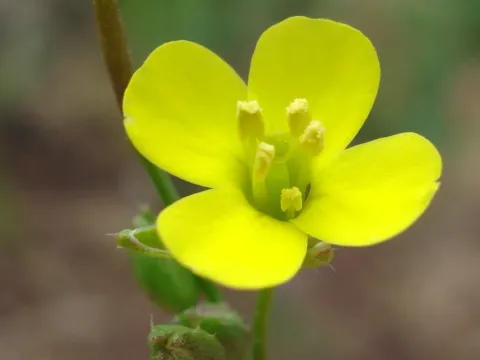
Diplotaxis
Diplotaxis
Diplotaxis, commonly referred to as wall rocket or wild arugula, belongs to the Brassicaceae family. It is a perennial herbaceous plant valued for its sharp, peppery flavor and high nutritional content, making it a popular choice for specialty green markets.
What the section contains
 Chalk wall-rocket
Diplotaxis cretacea
Chalk wall-rocket
Diplotaxis cretacea
 Diplotaxis acris
Diplotaxis assurgens
Diplotaxis assurgens
Diplotaxis acris
Diplotaxis acris
Diplotaxis assurgens
Diplotaxis assurgens
 Diplotaxis catholica
Diplotaxis catholica
Diplotaxis catholica
 Diplotaxis harra
Diplotaxis harra
Diplotaxis harra
 Diplotaxis ilorcitana
Diplotaxis ilorcitana
Diplotaxis ilorcitana
 Diplotaxis pitardiana
Diplotaxis pitardiana
Diplotaxis pitardiana
 Diplotaxis siifolia
Diplotaxis siifolia
Diplotaxis siifolia
 Diplotaxis tenuisiliqua
Diplotaxis tenuisiliqua
Diplotaxis tenuisiliqua
 Wall rocket
Diplotaxis virgata
Wall rocket
Diplotaxis virgata
Diplotaxis
Sowing in open fields should begin in early spring once the soil temperature consistently reaches 8–10 degrees Celsius. For a continuous supply of fresh greens, it is recommended to implement successive sowing every two to three weeks throughout the growing season.
The seeds are exceptionally small, requiring a shallow sowing depth of approximately 0.5 to 1 centimeter. For optimal growth and air circulation, it is advisable to maintain row spacing of 15 to 20 centimeters, which prevents competition for nutrients and light.
In regions with mild winters, late autumn or winter sowing can be performed to achieve an early harvest the following spring. Under greenhouse conditions, Diplotaxis can be cultivated year-round, provided that appropriate lighting and temperature controls are maintained.
The germination period usually spans 7 to 14 days, depending on soil moisture and ambient temperature. Consistent moisture levels during the early stages are crucial for establishing a uniform stand and ensuring uniform vegetative growth.
Diplotaxis thrives best in well-draining, fertile loamy or sandy soils with a neutral to slightly alkaline pH. Proper drainage is essential to avoid waterlogging, which can easily damage the delicate root system of the plant.
Water management is a critical aspect of Diplotaxis agronomy. While the plant can tolerate short dry spells, regular irrigation is necessary to maintain leaf tenderness. Water stress often leads to higher concentrations of pungent compounds, making the leaves overly bitter and fibrous.
The crop responds positively to organic soil amendments, but excessive nitrogen application should be avoided during the leaf development phase to prevent nitrate accumulation. Balanced fertilization based on regular soil testing is the most effective approach.
As a sun-loving plant, Diplotaxis requires full exposure to light to reach its peak aromatic potential. Shaded areas often result in leggy plants with lower leaf density and diminished essential oil content, which is detrimental to the market quality of the greens.
Crop rotation is essential for disease suppression. Avoid planting Diplotaxis in soil previously occupied by other cruciferous crops for at least three years to minimize the risk of soil-borne pathogens such as clubroot.
The yield of Diplotaxis depends significantly on the frequency of harvest and the precision of cultivation practices. When managed as a cut-and-come-again crop, it can produce multiple harvests throughout a single vegetative cycle.
A well-managed stand can produce between 1.5 and 2.5 kilograms of fresh leaves per square meter. Yield figures fluctuate based on the specific cultivar, soil fertility, and the overall management of the irrigation and pest control programs.
To maximize productivity, growers must actively manage the onset of bolting. Removing developing flower stalks encourages the plant to redirect energy into leaf production, effectively extending the productive life of the planting.
In controlled environment agriculture, such as hydroponics or greenhouse systems, yields are typically higher due to optimized nutrient delivery and climate regulation. These systems also allow for higher planting densities compared to open-field cultivation.
The economic efficiency of Diplotaxis is largely determined by the harvest-to-market speed. Maintaining high quality through careful handling ensures that the harvested product meets the rigorous standards of premium retail outlets and restaurants.
The most significant threat to Diplotaxis crops is the flea beetle (Phyllotreta spp.), which can quickly devastate young seedlings by creating numerous small holes in the foliage. Early monitoring and protection are vital for crop survival.
Slugs and snails can cause substantial damage during periods of high humidity, particularly in dense plantings. These pests feed on the leaf tissues, severely affecting the aesthetic value of the greens and rendering them unmarketable.
Fungal diseases, such as downy mildew (Peronospora parasitica), represent a recurring challenge in damp environments. Proper spacing and effective ventilation in greenhouses are primary strategies for preventing the spread of these infections.
Biological pest control methods are preferred due to the short crop cycle. Preventive measures, including strict weed control of related wild brassicas and the use of row covers, significantly reduce the reliance on chemical pesticides.
Field sanitation is a cornerstone of threat management. Removing crop residues and weeds helps to eliminate overwintering sites for insects and spores, thereby reducing the disease pressure for subsequent plantings.
Harvesting typically commences 30 to 45 days after sowing, once the basal leaf rosette has reached a height of 10 to 15 centimeters. The timing of the harvest is critical to ensure the best balance of flavor and tenderness.
Leaves should be harvested using sharp, clean tools to cut the foliage about 3 to 5 centimeters above the soil line. This precise cutting height preserves the growing point, allowing the plant to regenerate for subsequent harvests.
Post-harvest handling must be swift to maintain freshness. The harvested leaves should be cooled immediately to temperatures between 2 and 4 degrees Celsius to mitigate wilting and ensure a longer shelf life.
Proper sorting is necessary to ensure consistency in the final product. Discarding damaged, yellowed, or bolting leaves is essential to maintaining the brand reputation and ensuring consumer satisfaction.
Packaging solutions such as breathable plastic containers or perforated films help maintain optimal humidity levels, preventing both dehydration and excess moisture, which is the key to preventing premature decay during transit.