
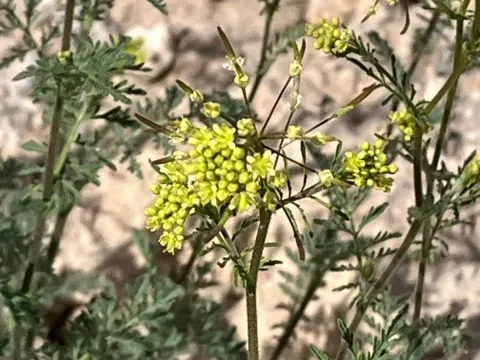
Descurainia
Descurainia
Descurainia, a genus within the Brassicaceae family, exhibits rapid growth cycles suitable for short agricultural windows. Sowing is best executed in early spring when soil temperatures reach 5–8 degrees Celsius to trigger uniform germination.
What the section contains


Descurainia
Given the tiny size of the seeds, precision drilling or mechanical seeding is recommended to ensure a sowing depth of no more than 1–2 centimeters. Proper soil-to-seed contact is essential for maintaining moisture uptake.
Fall sowing is also a viable practice in milder climates, as the seedlings can withstand light frosts and overwinter effectively in the rosette stage. This provides an early start for spring biomass production.
The seeding rate typically varies between 2–4 kg per hectare, depending on the intended use—whether for cover cropping, forage, or seed production. Adequate spacing helps prevent competition for sunlight and nutrients.
Post-seeding management involves light rolling to firm the soil surface, which promotes capillary water movement and minimizes the risk of desiccation in dry spring conditions.
Descurainia is highly adaptable to various soil types, though it thrives best in well-drained loamy or sandy soils with a neutral pH. It demonstrates significant tolerance to varying soil conditions.
The plant is light-demanding; therefore, field selection should prioritize open areas without significant shading. Adequate sunlight is crucial for maximizing photosynthetic output and overall biomass yield.
Temperature requirements are moderate, with optimal development occurring between 15 and 20 degrees Celsius. Extreme heat during the flowering phase can negatively impact seed set by inducing pollen sterility.
While relatively drought-tolerant, Descurainia responds positively to supplemental moisture during the stem elongation stage. Consistent water supply ensures vigorous growth and higher forage quality.
Regarding soil fertility, moderate nitrogen input at the start of the vegetative phase significantly accelerates growth. However, excessive fertilization should be avoided to maintain crop stability and prevent lodging.
The biomass yield potential ranges from 150 to 250 decitonnes per hectare, depending on nutrient management and water availability. For seed production, yields typically average between 8 and 15 decitonnes per hectare.
Harvesting for forage should occur at the peak of the flowering stage to capture the highest nutritional value before stems become woody and fibrous. Timely harvest is critical for maintaining protein levels.
Seed harvesting requires careful timing, as the siliques are susceptible to shattering. Combining operations should be conducted when seeds reach physiological maturity and have dried sufficiently in the field.
When utilized as a cover crop, incorporating the residue into the topsoil improves soil organic matter and structure. This facilitates better nutrient cycling for subsequent commercial crops in the rotation.
Effective pollinator management is essential for seed-producing fields. The presence of honeybees or other pollinators significantly boosts fertilization rates and results in higher total seed weight.
Crucifer flea beetles represent the most significant threat to Descurainia, particularly during the seedling stage. Infestations can cause severe defoliation, necessitating timely chemical or biological intervention.
Fungal diseases like downy mildew can occur under conditions of high humidity and poor air circulation. Implementing wide row spacing and ensuring proper crop rotation helps mitigate these risks significantly.
The pollen beetle (Meligethes aeneus) can damage reproductive structures, reducing seed yields. Scouting for this pest during the budding phase is vital to determining the necessity of insecticide application.
Soil-borne pests, such as wireworms, may impact crop stands in fields previously used for permanent pasture. Proper site preparation and mechanical cultivation can reduce these populations prior to sowing.
Integrated pest management (IPM) strategies, including the use of trap crops and natural predators, are recommended to maintain ecological balance and minimize the use of synthetic pesticides.