
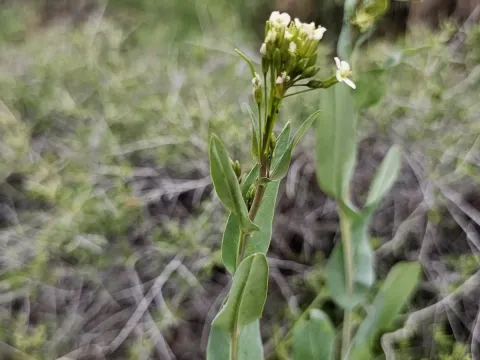
Conringia
Conringia
Conringia is a genus of plants belonging to the Brassicaceae family. It consists of herbaceous species that have adapted to various environmental conditions, primarily growing in open areas with sufficient soil aeration.
What the section contains


Conringia
The crop thrives in well-drained soils and shows remarkable tolerance to rocky or calcareous substrates. Its deep taproot system allows the plant to survive in conditions where moisture availability is periodically limited.
Climate adaptation is a key feature of Conringia, as it exhibits high frost resistance. This characteristic enables the crop to germinate early in the season when temperatures remain low for other sensitive species.
Agronomic management requires keeping the field clear of competitive weeds, especially during the early vegetative stages. Providing adequate space between rows helps optimize light penetration and air circulation.
From a biological standpoint, Conringia is characterized by its ability to accumulate nutrients efficiently, which makes it a resilient plant in various soil types. Proper fertilization strategies significantly impact its biomass production.
Crucifer flea beetles represent the most significant threat during the seedling stage. These pests can rapidly defoliate young plants, necessitating the use of seed treatments or early insecticidal applications.
Fungal diseases, particularly clubroot and powdery mildew, pose a threat when the crop is planted in waterlogged soils or regions with high humidity. Proper crop rotation is essential to prevent the buildup of soil-borne pathogens.
Cabbage worms and various leaf-eating larvae can damage the foliage significantly if left untreated. Integrated Pest Management (IPM) practices, including the use of pheromone traps, are recommended.
Aphid populations can cause secondary infections by transmitting viral diseases. Monitoring the presence of these vectors is crucial for maintaining plant health throughout the growing season.
Root rot remains a risk factor in poorly drained fields. Ensuring adequate soil structure and avoiding monocropping with other cruciferous plants are critical strategies for mitigating these risks.