
Cretan cabbage
Brassica cretica
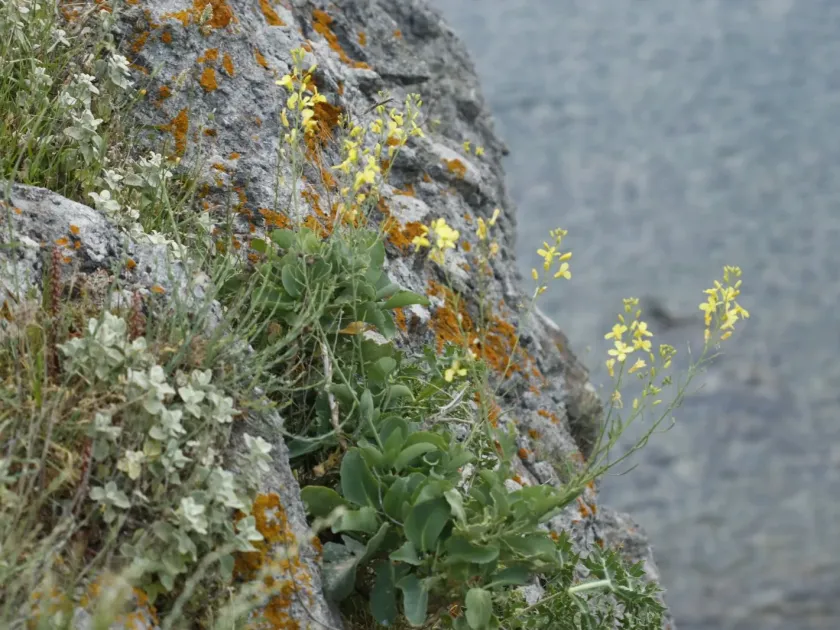
Description
Sowing dates
Cretan cabbage (Brassica cretica) is a perennial member of the Brassicaceae family, indigenous to the rocky coastal areas of the Mediterranean. Propagation is typically achieved through seeds, which require specific conditions to germinate successfully.
Sowing should take place in late winter or early spring using a well-aerated, sterile seed-starting mix. Seeds should be sown at a depth of about 1 cm, ensuring the soil remains consistently moist but not waterlogged during the initial stages.
Germination usually occurs within 10–14 days when temperatures are maintained between 18°C and 20°C. Once the seedlings develop their first true leaves, they should be thinned or transplanted into individual containers.
Hardening off the plants is a crucial step before moving them to their permanent outdoor location. Gradually expose them to external conditions over a period of seven to ten days to prevent transplant shock.
When planting outdoors, space the plants at least 45 cm apart to ensure adequate airflow, which is essential for maintaining plant health and preventing fungal infections in the dense foliage.
Growing requirements
This species thrives in sunny, open locations, reflecting its Mediterranean heritage. Providing at least 6 to 8 hours of direct sunlight is vital for the development of robust, nutrient-dense leaves.
The soil requirements for Brassica cretica include excellent drainage and a neutral to slightly alkaline pH. Adding grit or sand to heavier soils can significantly improve drainage and replicate the plant's natural rocky habitat.
While the plant shows notable drought tolerance once established, regular and consistent irrigation is necessary for culinary purposes to ensure the leaves remain tender, succulent, and free from excessive bitterness.
Fertilization with a balanced, slow-release organic fertilizer at the beginning of the growing season is usually sufficient. Avoid excessive nitrogen inputs, as they may lead to lush but soft growth prone to pest attacks.
Wind protection is advisable, especially in coastal or exposed environments, to prevent mechanical damage to the broad leaves and to ensure the stability of the plant's root system.
Main diseases and pests
Cretan cabbage is susceptible to standard brassica pests, with flea beetles being the most common concern for young seedlings. Their characteristic "shot-hole" damage can weaken young plants rapidly.
Aphids can also colonize the undersides of leaves during warm, dry weather. Interplanting with aromatic herbs or utilizing insecticidal soaps can manage aphid populations without compromising food safety.
Fungal diseases like powdery mildew or root rot are more frequent in humid, poorly ventilated conditions. Practicing good garden hygiene and ensuring wide plant spacing are the best preventative measures.
Slugs and snails are particularly drawn to the foliage during moist spring weather. Protective measures such as physical barriers or slug pellets approved for organic use can mitigate their impact.
Monitoring the plants regularly for signs of yellowing or unusual spots is important for early intervention, ensuring that any potential disease outbreak does not spread to neighboring plants.
Harvesting
Harvesting Cretan cabbage is an ongoing process of picking individual leaves as they reach maturity. Using clean, sharp scissors to harvest from the base of the plant allows the central growth point to continue producing.
The best quality leaves are harvested during the cool early morning hours when the plant's turgor pressure is at its peak. This results in the crispiest texture for fresh consumption.
If the plant begins to bolt and produce flower stalks, these should be removed promptly. Flowering redirects the plant's energy away from leaf production and can make the remaining leaves taste tough and bitter.
Culinary uses for Brassica cretica are vast, ranging from raw additions to salads to traditional Mediterranean sautéing. Its high mineral content makes it a valuable addition to a healthy diet.
For storage, harvested leaves should be kept in a breathable container in a refrigerator. They will remain fresh for several days, provided they are stored in an environment with high humidity and low temperatures.