
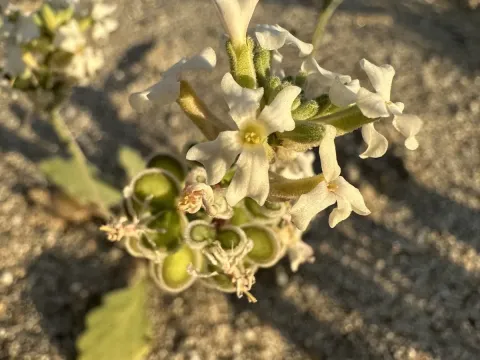
Dithyrea
Dithyrea
Dithyrea is a member of the Brassicaceae family, natively adapted to the arid environments of North America. Its growth cycle is highly dependent on seasonal rainfall patterns.
What the section contains

Dithyrea
When cultivating Dithyrea, it is essential to mimic natural conditions by providing well-draining soil and sufficient space for root development.
Sowing should occur during cooler periods to ensure the seeds have enough moisture for germination before the onset of extreme desert heat.
The seeds are relatively small and should be sown shallowly, ensuring they receive enough light to trigger the germination process successfully.
As an ephemeral species in its natural habitat, Dithyrea completes its lifecycle rapidly, producing seed pods that are easily dispersed by the wind.
This crop requires full sun exposure throughout the day. It thrives in environments where solar radiation is high and cloud cover is minimal.
Soil quality is crucial; Dithyrea prefers sandy or rocky substrates with excellent drainage properties to prevent any risk of root saturation.
The plant is highly drought-tolerant, which makes it suitable for regions where water resources are limited during the growing season.
Maintaining a neutral to slightly alkaline soil pH is recommended for optimal nutrient uptake and overall plant vigor in the field.
While adapted to harsh climates, supplemental irrigation can be beneficial during the flowering stage to increase the total seed yield.
The primary threats to Dithyrea include fungal infections, particularly root rot, which are often exacerbated by high humidity and poor soil drainage.
Insect pests such as flea beetles are known to cause significant damage to the foliage, especially when the plants are in their seedling stage.
Aphids can also pose a problem during the flowering phase by feeding on the sap, which negatively impacts the quality of the seed pods.
To mitigate these threats, it is advised to avoid planting Dithyrea in areas previously used for other cruciferous crops to prevent the spread of diseases.
Implementing regular monitoring and maintaining good airflow around the plants are key management strategies for a successful harvest.