
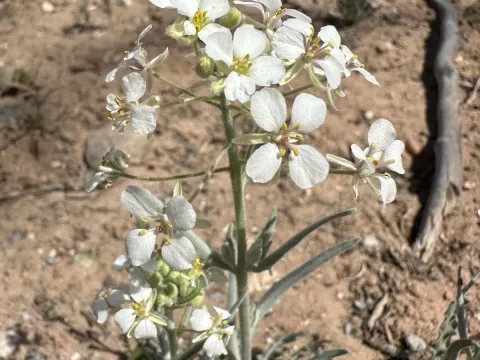
Dimorphocarpa
Dimorphocarpa
Dimorphocarpa is an annual herbaceous plant, so sowing is typically carried out in the spring once the soil reaches stable temperatures. The optimal time for seeding is early spring, when natural soil moisture is high following the winter season.
What the section contains

Dimorphocarpa
Seeds should be sown in rows with spacing of approximately 20–30 centimeters, ensuring adequate area for each plant to develop. The planting depth should not exceed 1–2 centimeters, allowing the seedlings to emerge rapidly from the ground.
The culture has excellent germination energy, with sprouts typically appearing within 7–10 days under proper moisture conditions. It is crucial to avoid overcrowding the rows, as Dimorphocarpa requires good airflow to prevent potential fungal outbreaks.
Autumn sowing is possible in regions with mild winters, provided that soil depth and moisture levels are carefully managed. In temperate climates, spring sowing is generally preferred to ensure a full, healthy harvest during the peak summer months.
Thinning the seedlings at the stage of the first true leaves is highly recommended. The optimal distance between plants in a row should be about 10–15 centimeters to encourage a strong root system and robust vegetative mass development.
The plant prefers sunny locations with light, well-drained soils that are rich in organic matter. Heavy clay soils prone to waterlogging are detrimental to root health, so soil amendments like sand or compost are recommended prior to planting.
As a member of the Brassicaceae (mustard) family, Dimorphocarpa is demanding regarding nitrogen and essential micronutrients. Soil pH should ideally be neutral or slightly alkaline to facilitate the efficient uptake of vital minerals.
The crop shows moderate tolerance to brief dry spells, but regular watering is essential to achieve a marketable yield. Excessive moisture combined with high heat can trigger root rot diseases, so irrigation must be applied carefully.
Agronomic requirements include regular weeding and hoeing of the spaces between rows to improve soil aeration. Surface cultivation should be performed gently to avoid damaging the shallow root system typical of this plant species.
During the vegetation phase, the plant responds well to balanced mineral fertilizers with a focus on phosphorus and potassium. These nutrients stimulate vigorous flowering and the development of the specialized pods that define this botanical genus.
Like other Brassicaceae species, Dimorphocarpa is susceptible to infestation by flea beetles. These pests can decimate young seedlings in a matter of days, making regular scouting and field monitoring absolutely essential for crop protection.
During humid or wet weather, outbreaks of powdery mildew can occur, manifesting as a white film on the leaves. Preventive measures include ensuring proper plant spacing and maintaining adequate air circulation throughout the crop canopy.
Aphids pose a threat to the vegetative mass by feeding on sap and distorting young shoots. If an outbreak occurs, biological insecticides or horticultural soaps can be used to manage the population while preserving the health of the plants.
Root rot is a significant risk in waterlogged soils, especially during the early developmental stages. To minimize these risks, it is recommended to practice strict crop rotation and avoid planting on sites previously used for other cruciferous crops.
Standard preventive practices include using high-quality, certified seeds and timely weed control. Healthy, vigorous plants grown under optimal conditions are significantly more resilient against pest attacks and environmental stressors.
Harvesting is performed as the characteristic pods of the Dimorphocarpa reach maturity. Collection should begin when the seed capsules change color and start to dehydrate, which helps prevent premature seed shattering in the field.
Manual harvesting is the most precise method, as it preserves the integrity of the crop and prevents unnecessary seed loss. For commercial-scale cultivation, specialized combines adjusted for delicate oilseed handling can be used effectively.
After harvest, the pods must be dried in a well-ventilated, dry environment protected from direct sunlight. Proper drying is a critical step to prevent spoilage and mold development during the subsequent storage period.
Once dried, the seeds are cleaned of debris and plant residue using a sieve system. Properly processed and cleaned seeds can be stored in airtight containers for extended periods without losing their viability or nutritional value.
The agricultural use of this crop is primarily focused on its unique seeds, which contain high levels of specialized chemical compounds. Optimal harvest timing is typically determined by observing seasonal weather patterns and the specific maturity phase of the pods.