
Degenia
Degenia
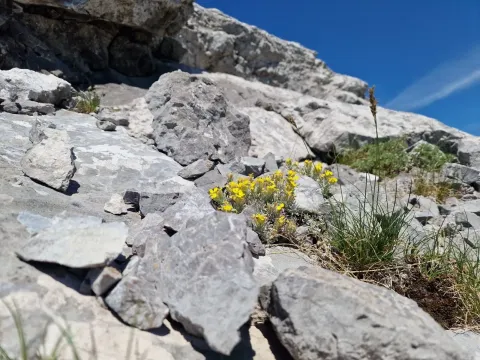
Degenia (Latin: Degenia velebitica) is a unique monotypic genus of plants belonging to the Brassicaceae family. It is a strictly limited endemic species found exclusively on the Velebit mountain range in Croatia.
What the section contains

Degenia
This perennial herbaceous plant has adapted to the harsh conditions of high-altitude limestone screes. It shows remarkable resilience to significant temperature fluctuations and nutrient-poor, rocky soil conditions.
In cultivation, the species requires a well-draining, lime-rich substrate. Since the root system is highly sensitive to waterlogging, it is essential to ensure excellent drainage, mimicking its natural rocky habitat.
Botanically, Degenia is characterized by low-growing, compact rosettes of silvery, pubescent leaves. This morphological adaptation is a defense mechanism against intense solar radiation and moisture loss in high-mountain environments.
The practical use of Degenia is centered on botanical research and conservation. It is primarily grown in specialized botanical collections and alpine gardens, serving as a critical specimen for preserving rare genetic material.
In its natural habitat, Degenia faces significant threats from ecological succession and competition with more aggressive plant species. Changing climate patterns directly impact the availability of its specific mountain niches.
When grown in a garden or nursery setting, the primary threat is the onset of fungal diseases affecting the crown and root system. Excessive soil humidity is the most common factor leading to plant decay.
Pests typical of the Brassicaceae family, such as flea beetles, can infest the foliage, especially during the active growth phase in the spring. Careful monitoring is required to prevent significant damage.
Damp conditions during the winter period can cause severe rotting. Providing adequate cover and ensuring the soil remains relatively dry during dormancy are vital management practices.
Current conservation strategies focus on habitat protection and ex-situ cultivation to safeguard the future of this endangered endemic species against extinction risks.