
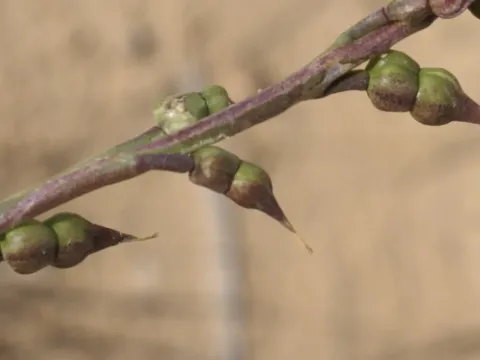
Didesmus
Didesmus
Didesmus is a plant genus often found as a weed in cereal crop fields. In natural conditions, the seeds start germinating once the soil reaches consistent positive temperatures during the spring season.
What the section contains


Didesmus
The optimal period for germination is typically between March and May, while the soil still retains sufficient moisture from winter snowmelt. When cultivating this plant, preparing a high-quality seedbed is essential for success.
Seeds should be planted at a shallow depth, as they require oxygen for rapid and uniform germination. Given their small size, wide-row spacing is often recommended to prevent overcrowding and ensure healthy plant development.
In field environments, Didesmus exhibits a capacity for rapid leaf rosette formation shortly after emergence. This characteristic allows it to compete effectively with other species in the field at early growth stages.
Maintaining proper sowing density is crucial, as excessively dense stands may result in diminished vegetative mass. Crop rotation should be strictly practiced to prevent the buildup of soil-borne pathogens related to the Brassicaceae family.
Didesmus is a member of the Brassicaceae family, characterized by high plasticity regarding its growth conditions. It is a light-demanding plant, and thus it performs best in open, sun-exposed areas.
The plant is not overly demanding regarding soil type, although it thrives best in light to medium loamy soils. The ideal soil pH level for the culture falls within the neutral to slightly alkaline range.
The crop demonstrates moderate drought tolerance, which allows it to persist in regions with variable rainfall. However, to achieve maximum biomass production, adequate soil moisture is necessary throughout the growing season.
Didesmus is capable of withstanding minor spring frosts, a trait common among many cruciferous plants. Temperatures ranging between 15 and 22 degrees Celsius are considered optimal for flowering and seed maturation.
Effective drainage is vital, as waterlogging can severely damage the root system of Didesmus. In conditions of excess moisture, the plant becomes significantly more susceptible to root rot and fungal infections.
The primary threats to Didesmus include pests commonly associated with the Brassicaceae family. Crucifer flea beetles are particularly damaging, as they can decimate young seedlings in a very short amount of time.
Aphid infestations are also a common issue, as they feed on plant sap and can cause significant tissue deformation. Regular field monitoring is essential for identifying pest presence before they cause widespread damage.
Among fungal diseases, downy mildew is a notable threat that thrives in high-humidity conditions. This pathogen can reduce both the quality of the green mass and the overall yield of the seeds.
To minimize disease risk, it is recommended to maintain spatial isolation from other brassica crops. Utilizing high-quality, disease-free seed stock is the most effective preventative measure against many pathogens.
Should pest or disease pressure exceed acceptable levels, integrated pest management or biological control measures are preferred. Chemical applications should be limited to emergencies and follow strict regulatory guidelines.
Harvesting Didesmus requires careful timing, as the pods are prone to shattering once they reach full maturity. The ideal harvest time is during the waxy ripeness phase when the seeds harden.
Operations should ideally take place in the early morning or evening hours to minimize seed loss caused by pod shattering. Mechanical harvesting is typically performed with combine harvesters adjusted specifically for small seeds.
Immediately after harvest, the seeds must be dried to prevent degradation and fungal growth. Drying should occur in well-ventilated areas while maintaining temperatures that preserve seed viability.
Storage must be managed in a dry, ventilated facility to ensure long-term preservation of seed quality. Protection against pests and rodents is a necessary component of the storage process.
When the crop is grown for green manure or forage, it should be mowed before the stems become overly lignified. This ensures that the harvested material retains its nutritional value and quality for soil improvement.