
Desideria
Desideria
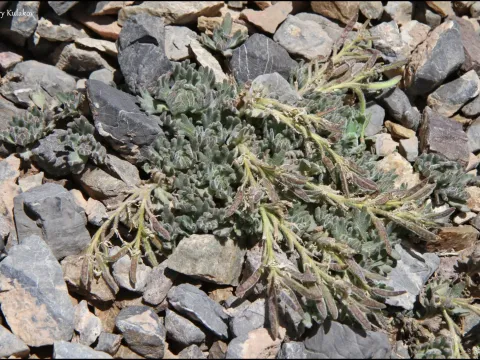
Desideria is a genus of flowering plants belonging to the Brassicaceae family. These plants are primarily native to the high-altitude regions of Central Asia, specifically adapted to alpine climates.
What the section contains
Desideria
The morphology of this plant allows it to thrive in rugged terrains where other crops fail. Its structural resilience is a key feature for experimental cultivation in mountainous regions or cool-climate zones.
Successful growth requires well-drained, porous soil. These plants are sensitive to waterlogging, which can cause rapid root decay, making sandy or gravelly loam the ideal growing medium.
Regarding climate, Desideria prefers environments with cool daytime temperatures and significant diurnal temperature variation. It does not tolerate prolonged summer heat or excessive humidity levels.
The plant requires full sun exposure to promote healthy development. In agricultural settings, ensuring high solar radiation levels is essential to prevent etiolation and improve the metabolic rate of the plants.
Like many members of the Brassicaceae family, Desideria is susceptible to flea beetles, which can cause severe defoliation during the early stages of plant establishment.
Clubroot is a significant soil-borne threat that can inhibit nutrient uptake. Strict crop rotation practices are mandatory to prevent the build-up of pathogens in the soil profile.
Powdery mildew is a common issue when air circulation is poor. Keeping the plant canopy dry and spaced properly is the most effective cultural method to mitigate this risk.
Aphid infestations may occur in dry weather. Biological control agents, such as ladybugs or parasitic wasps, are highly effective in managing population spikes in smaller plots.
Regular maintenance, including the removal of infected debris and prompt weed management, significantly reduces the environmental stress on the plants and decreases the chance of pest outbreaks.