
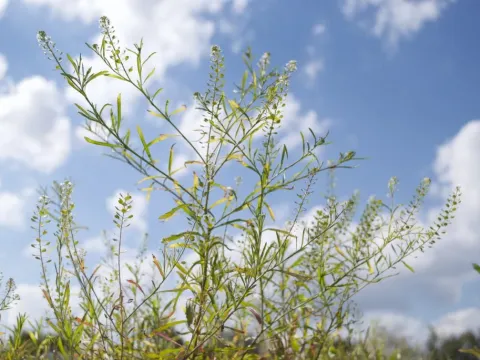
Pepperweed
Lepidium
Pepperweed (genus Lepidium) belongs to the Brassicaceae family. These plants are typically annual or biennial herbs known for their pungent, peppery aroma.
What the section contains
Pepperweed
The stems can be simple or branched, growing up to 60 cm tall, with leaves that vary in shape from entire to deeply pinnately lobed, usually forming a basal rosette.
Flowers are very small, white, and organized into racemes that elongate significantly as the plant matures and produces seed pods.
The fruits are silicles (small, flattened pods), typically circular or obovate, notched at the apex, containing tiny, brown, highly viable seeds.
Due to their high seed production capacity, Pepperweed species are highly invasive and can colonize disturbed soil rapidly.
Pepperweed species are commonly found in open habitats, such as cultivated fields, gardens, roadsides, and abandoned lands that lack dense vegetation.
They are highly adaptable to various soil conditions, including light, sandy soils, as well as compacted or slightly saline environments.
In winter crop fields, these weeds often germinate early, allowing them to compete with crops for nutrients and sunlight from the start of the season.
Pepperweed thrives in full sunlight and is frequently seen in disturbed agricultural areas where traditional soil tillage practices have been interrupted.
The resilience of the seed bank ensures that the plant reappears consistently in the same locations if soil management is not addressed properly.
The primary damage caused by Pepperweed is competition for resources, specifically water and essential nutrients, which reduces the potential yield of crops.
When present in high densities, these weeds shade the ground and prevent young crop seedlings from reaching their full growth potential due to light competition.
Pepperweed acts as a host plant for numerous pests and diseases, such as flea beetles and various fungal pathogens that affect commercial brassica crops.
Seed contamination is a major concern in grain production, as it reduces the market quality of harvested grain and necessitates expensive cleaning processes.
In pasture and forage production, the presence of Pepperweed can degrade the nutritional value of hay, as the plants possess an unpleasant taste for livestock.
Mechanical control focuses on deep tillage, such as autumn plowing, which buries seeds deep enough to prevent them from germinating during the spring season.
Stubble cultivation immediately after harvest is an effective way to stimulate germination of weed seeds, allowing them to be destroyed before planting the next crop.
Chemical control involves the application of selective herbicides, such as 2,4-D or sulfonylureas, ideally timed during the early rosette stage of the weed.
- Regular inter-row cultivation for row crops.
- Diverse crop rotation to disrupt the life cycle of weeds.
- Ensuring high-quality seed cleaning to prevent field re-contamination.
Maintenance of field margins and non-cropped areas through mowing is essential to prevent seed dispersal by wind or farm machinery across the field.