


Reference · Weeds
Marsh Weeds
Wetland weeds comprise a diverse group of plants specifically adapted to waterlogged, marshy, or poorly drained soils. This category includes various species like sedges, rushes, horsetails, and common water plantains, which are united by their physiological need for high levels of soil moisture and their ability to thrive in anaerobic conditions.
2
items
What the section contains
Marketplace
Products in this section · 12


Galera 334 SL
Доу АгроСайенсіс С.А.С., Друзенхайм, Франція
Herbicides
0
0
·
2.6K
4 offers
14.5 €per 1 l
Buy


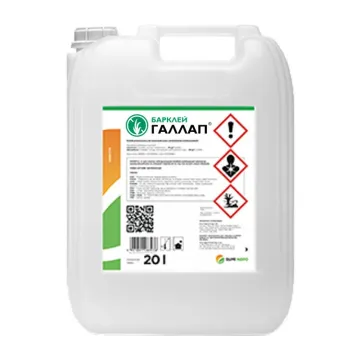
Barkley Gallap 360
рклей Кемікаоз Лтд, м.Дублін Ірландія
Herbicides
0
0
·
921
2 offers
8.44 €per 1 l
Buy

Marsh Weeds
Botanically, these plants often exhibit specialized features such as aerenchyma—a spongy tissue with air spaces—which facilitates oxygen transport to the roots in submerged environments. Their root systems are typically robust, allowing them to remain dormant during periods of flooding and rapidly expand when favorable conditions return.
Most wetland weeds are perennial species that reproduce efficiently via rhizomes, tubers, or stolons. This vegetative propagation makes them highly resilient, as they can regenerate from small fragments left in the soil after standard tillage operations, making them difficult to eradicate through mechanical means alone.
The seeds of these plants are often highly adapted to water-based dispersal. They can remain viable for extended periods while submerged in water, waiting for the water level to recede to germinate, which creates a long-lasting seed bank that poses a persistent threat to agricultural production.
They serve as clear ecological indicators of poorly drained land or areas with high water tables. Recognizing these plants in a field is a critical diagnostic step for agronomists, as their presence indicates that the land requires drainage improvements to become truly productive for conventional crops.
Wetland weeds primarily inhabit low-lying depressions, poorly drained areas, the edges of irrigation canals, and riparian zones. They are most aggressive in heavy, clay-rich soils that are prone to compaction and water retention, especially in years with excessive rainfall.
In agricultural systems, they frequently appear in cereal fields, pastures, and rice paddies where standing water is common. They are notorious for colonizing the margins of fields and drainage ditches, from where they can easily spread into the main cropping area via runoff or contaminated equipment.
Their habitat is often created by inefficient drainage systems or the presence of a compacted plow pan that prevents water from infiltrating deeper into the soil profile. Consequently, they thrive in areas where crop growth is already compromised by excessive wetness.
These plants can also spread across fields through the movement of contaminated soil during plowing and cultivation. Even small patches of wetland weeds can expand rapidly under the right moisture conditions, turning productive farmland into marshy areas that are difficult to cultivate.
The persistence of these weeds is often linked to the failure of land to dry out sufficiently before planting. Because they are adapted to fluctuating water levels, they can survive in conditions that would cause severe root rot in most commercial crops, giving them a distinct survival advantage.
The primary harm caused by wetland weeds is intense competition for nutrients, light, and physical space. While crops struggle with oxygen deprivation in waterlogged soil, these weeds thrive, effectively outcompeting crops and causing significant reductions in yield and harvest quality.
They create dense, tangled stands that shade young crop seedlings, stunting their growth and reducing their photosynthetic output. In severe cases, they can completely smother crops in low-lying areas, leading to total crop failure and loss of investment in seeds, fertilizers, and field preparation.
Wetland weeds significantly impede field operations, such as sowing and harvesting. Machines may become stuck or perform poorly in the wet, weed-infested spots, leading to downtime, increased fuel consumption, and soil compaction, which only exacerbates the existing drainage issues.
These weeds act as major reservoirs for various pests and diseases that affect commercial crops. Pathogens, including those responsible for root rots and leaf spots, often harbor in wetland weed populations before spreading to the main crop, necessitating increased use of pesticides and fungicides.
Over the long term, these weeds contribute to soil degradation by maintaining the high-moisture status of the soil, which prevents the development of a healthy soil structure. This necessitates costly land reclamation and drainage remediation projects to restore the soil's natural productivity.
Effective control starts with land drainage and irrigation management. Installing tile drains, deep plowing to break up the plow pan, and laser-leveling the field surface are essential practices to ensure excess water can drain away, thereby creating a hostile environment for wetland weeds.
Cultural practices, including timely tillage, are crucial for weakening the weed's root systems. Repeated mechanical disturbance during drier periods can help deplete the carbohydrate reserves in the weeds' rhizomes, eventually leading to their decline in the population density.
Chemical control involves the application of selective herbicides tailored to the specific weed species present. Because wetland weeds often have different physiological responses to standard herbicides compared to dryland weeds, careful selection of systemic products is required to ensure effectiveness.
Crop rotation serves as a vital component of integrated weed management. Rotating with crops that can compete well for resources or using green manure cover crops can improve soil structure and water infiltration, gradually reducing the dominance of these invasive plants.
- Implement drainage systems to improve soil water management.
- Perform deep tillage to break up soil compaction layers.
- Use systemic herbicides targeted at perennial wetland species.
- Rotate crops to disrupt the weed's life cycle.
- Regularly clear drainage ditches to ensure water runoff.