

SKU #59896
·
35 views
Bella
Wheat
User rating
0 votes0% positive reviews
No ratings yet — be the first.
Type of Development
Winter wheat
Wheat Type
Hard wheat
Ostistost'
Ostistaya
Growing Season
250-260 days
About product

Hard winter wheat of the Bella variety is a high-yielding mid-season variety created by intraspecific hybridization followed by selection. The pedigree of the variety includes a hybrid population obtained from crossings of varieties Leukurum 2652h60, Krupinka, and Donchanka. The ear of the variety is white, pyramidal, awned, of medium length and density, the grain is white, of medium size, elongat…
Type of Development
Winter wheat
Wheat Type
Hard wheat
Ostistost'
Ostistaya
Growing Season
250-260 days
Description
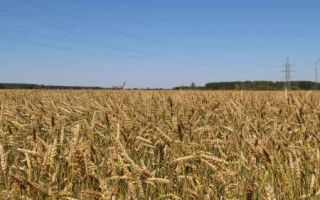
Hard winter wheat of the Bella variety is a high-yielding mid-season variety created by intraspecific hybridization followed by selection. The pedigree of the variety includes a hybrid population obtained from crossings of varieties Leukurum 2652h60, Krupinka, and Donchanka. The ear of the variety is white, pyramidal, awned, of medium length and density, the grain is white, of medium size, elongated and glassy. Plants are short-stemmed, 85-95 cm high, with high resistance to lodging and shattering.
The Bella variety is distinguished by high drought resistance and increased cold hardiness, which allows it to be successfully cultivated in the North Caucasus region, including the Rostov region and the Stavropol region. The vegetation period is 250-262 days. Average yield in the region reaches 63.8 c/ha, and maximum - up to 127.4 c/ha under favorable conditions. The winter hardiness and frost resistance of the variety are at medium and enhanced levels respectively, which ensures stable plant development under various climatic conditions.
The quality of grain and pasta from Bella wheat is high, which makes the variety in demand for the production of pasta and cereal products. The variety is resistant to the main foliar fungal diseases, such as brown and yellow rust, septoria and leaf spots, however susceptible to head blight. Due to these characteristics, Bella does not require frequent preventive fungicide treatments, which reduces plant protection costs and increases economic efficiency of cultivation.
The Bella variety is distinguished by high drought resistance and increased cold hardiness, which allows it to be successfully cultivated in the North Caucasus region, including the Rostov region and the Stavropol region. The vegetation period is 250-262 days. Average yield in the region reaches 63.8 c/ha, and maximum - up to 127.4 c/ha under favorable conditions. The winter hardiness and frost resistance of the variety are at medium and enhanced levels respectively, which ensures stable plant development under various climatic conditions.
The quality of grain and pasta from Bella wheat is high, which makes the variety in demand for the production of pasta and cereal products. The variety is resistant to the main foliar fungal diseases, such as brown and yellow rust, septoria and leaf spots, however susceptible to head blight. Due to these characteristics, Bella does not require frequent preventive fungicide treatments, which reduces plant protection costs and increases economic efficiency of cultivation.
Crop & resistance
Crop
Disease resistance
Specifications hover over for a hint about the specification
| Type of Development | |
|---|---|
|
Wheat Type
Wheat Type
Biologically hard wheat differs from soft wheat in its greater demand for soil fertility and agronomic conditions (especially regarding field cleanliness from weeds), lower drought resistance and plasticity, relatively weaker root development, especially nodal roots, and lower ti... |
|
| Ostistost' | |
| Growing Season | 250-260 days |
| Plant; height | 80-90 cm |
| Resistance to lodging | |
| Potential Yield | 6-7 tons, 8-9 tons |
| Registration year | 2024 |
| Catalog | Catalog → Wheat |
| Legal data |
Show · 1 |
| Country | Russia |
Store offers
Prices are updated on loadLoading offers…
Aggregator catalog: prices are collected automatically from store websites, normalized by AI and converted at the current exchange rate. Before ordering, confirm the price and availability on the store's website. This block is not indexed by search engines — the data is loaded after the page opens.
Not yet комментариев. Be the first!
Alternatives
Wheat seeds · similar varieties


See also
Often considered together with this variety




Recently viewed
Products you’ve viewed on this site
Reviews · 0