


SKU #46757
·
64 views
Veselopodolyanskye 176
Millet
User rating
0 votes0% positive reviews
No ratings yet — be the first.
Type of Sort
Sort
Resistance to lodging
Average
Registration year
1995
About product

Time-tested breeding with high phytosanitary resistance to smut diseases.
Type of Sort
Sort
Resistance to lodging
Average
Registration year
1995
Description
Legacy of the Veselopodilska Breeding Station
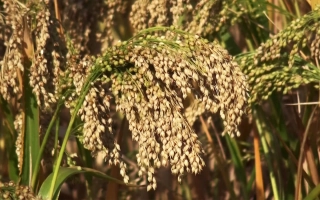
The «Veselopodolyanske 176» millet variety represents a significant chapter in the history of the Veselopodilska Agricultural Research Station (UAAS). Developed as a robust solution for local soil and climatic conditions, this variety remains a reliable choice for farmers who value proven stability over fleeting trends. It embodies years of rigorous testing and selection aimed at securing consistent grain yields across various regions of Ukraine.
Agronomic Profile and Disease Resistance
Understanding the physiological traits of «Veselopodolyanske 176» is essential for maximizing its potential in the field. The variety provides a distinct phytosanitary advantage:
- Pathogen Resistance: One of the standout characteristics of this variety is its genetic resistance to smut fungi. It effectively withstands stem smut, reducing the risk of harvest loss and maintaining grain quality.
- Integrated Protection: The variety also exhibits resistance to melanosis, allowing for better crop health management with optimized fungicide applications.
- Management Considerations: The variety features moderate lodging resistance. This characteristic requires balanced nitrogen management and precise sowing density to ensure the crop stands strong until the harvesting phase.
«Veselopodolyanske 176» is designed for producers who prioritize predictable outcomes and long-term agricultural performance. By adhering to recommended cultivation protocols, farmers can leverage this variety's inherent resistance to produce high-quality grain that meets both internal demand and export requirements, continuing the tradition of quality Ukrainian breeding.
Crop & resistance
Disease resistance
Specifications
| Type of Sort | |
|---|---|
| Resistance to lodging | |
| Registration year | 1995 |
| Catalog | Catalog → Millet |
| Legal data |
Show · 1
|
| Country | Ukraine |
Store offers
Prices are updated on loadLoading offers…
Aggregator catalog: prices are collected automatically from store websites, normalized by AI and converted at the current exchange rate. Before ordering, confirm the price and availability on the store's website. This block is not indexed by search engines — the data is loaded after the page opens.
Not yet комментариев. Be the first!


See also
Often considered together with this variety


Recently viewed
Products you’ve viewed on this site
Reviews · 0