


SKU #46760
·
71 views
Millet Lilac Millet
Millet
Prices in stores
No offers yet — stores have not added prices for this product yet.
Similar varieties with prices
-
Poltavskoye Zolotistoye
from 0.54 €per 1 kg
-
 Chabanivs'ke
from 21.35 €
Chabanivs'ke
from 21.35 €
- Kostiantynivske from 0.57 €per 1 kg
-
 VITRILLO
from 0.55 €per 1 kg
VITRILLO
from 0.55 €per 1 kg
Resistance to lodging
High
Registration year
1990
Your mark
0 votes
0% positive ratings
Description
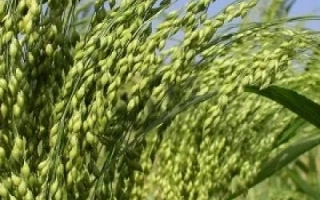
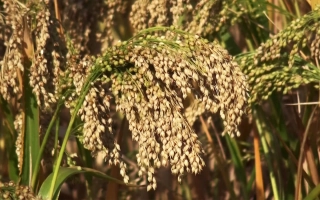
Lilac Millet — a decorative perennial herbaceous plant reaching heights of 1 to 2 meters. Its upright stems form a dense bush, and its linear green leaves, 20–50 cm long and up to 3.5 cm wide, possess decorative value, especially in autumn when they take on an attractive copper-red or bronze-bordeaux hue. The inflorescences are loose panicles 20–30 cm long, bearing numerous small bisexual flowers of soft purple or lavender color, which retain their hue throughout the flowering period from July to September.
The plant prefers sunny locations and well-drained, loose, moderately fertile soils. It is drought-resistant and does not require support due to its sturdy, bushy structure. Lilac Millet is well-suited for cultivation in temperate climates, including the territory of Ukraine, and is widely used for landscaping gardens, parks, and flowerbeds.
In addition to its decorative qualities, the plant is valued for its use in dried flower arrangements. The millet seeds can also serve as bird feed. For cultivation, seeds should be sown directly into the ground before mid-May, followed by thinning to a spacing of 20–30 cm, ensuring optimal conditions for growth and decorative effect.
The plant prefers sunny locations and well-drained, loose, moderately fertile soils. It is drought-resistant and does not require support due to its sturdy, bushy structure. Lilac Millet is well-suited for cultivation in temperate climates, including the territory of Ukraine, and is widely used for landscaping gardens, parks, and flowerbeds.
In addition to its decorative qualities, the plant is valued for its use in dried flower arrangements. The millet seeds can also serve as bird feed. For cultivation, seeds should be sown directly into the ground before mid-May, followed by thinning to a spacing of 20–30 cm, ensuring optimal conditions for growth and decorative effect.
Specifications
| Resistance to lodging | |
|---|---|
| Registration year | 1990 |
| Catalog | Catalog → Millet |
| Legal data |
Show · 1
|
| Country | Ukraine |
No reviews yet. Be the first to share your experience.



See also
Often considered together with this variety




Recently viewed
Products you’ve viewed on this site
Reviews