


SKU #74445
·
55 views
Burshtin
Lupin
User rating
0 votes0% positive reviews
No ratings yet — be the first.
Usage
On green feed
Registration year
2004
About product

A reliable choice for high-protein green forage with built-in resistance to key pathogens.
Usage
On green feed
Registration year
2004
Description
Focus on Green Mass: Field Experience with «Burshtyn» Lupin
When the priority is efficient silage production or harvesting high-quality green mass, selecting the «Burshtyn» variety from the Institute of Agriculture of the NAAS is a strategic move. For an agronomist, it translates to field predictability and a consistent yield of protein-rich forage per hectare.
Crop Management: Resistance Without Extra Costs
The key factor I appreciate in this lupin is its robust immunity. In high-humidity conditions, when other crops succumb to fungal pressure, «Burshtyn» stands firm. The variety possesses inherent genetic resistance to anthracnose and fusarium wilt. This significantly simplifies your crop protection logistics: fewer fungicide applications mean lower costs per hectare and a reduced cost price per feed unit.
Agrotechnological Highlights
- Intended Use: The variety is perfectly optimized for green forage production. Rapid accumulation of vegetative mass ensures a high yield at the flowering stage, where the plant's nutritional value is at its peak.
- Adaptability: As a product of Ukrainian selection, it is fully calibrated for local soil and climatic conditions, eliminating the risk of performance issues during the growing season.
- Operational Efficiency: Working with this variety allows for optimized mowing schedules. Thanks to uniform stand density, machinery operates at peak efficiency with minimal downtime and reduced fuel consumption.
«Burshtyn» is a choice driven by stability. If your goal is to provide livestock with high-protein feed while minimizing the risk of pathogen-related yield loss, this variety serves as a reliable asset in your rotation.
Crop & resistance
Crop
Disease resistance
Specifications
| Usage | |
|---|---|
| Registration year | 2004 |
| Catalog | Catalog → Lupin |
| Legal data |
Show · 1
|
| Country | Ukraine |
Store offers
Prices are updated on loadLoading offers…
Available at: Gardenseedsmarket
Aggregator catalog: prices are collected automatically from store websites, normalized by AI and converted at the current exchange rate. Before ordering, confirm the price and availability on the store's website. This block is not indexed by search engines — the data is loaded after the page opens.
Not yet комментариев. Be the first!



See also
Often considered together with this variety

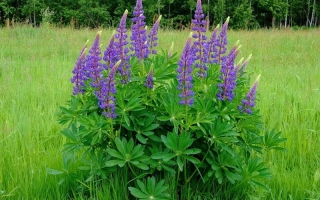


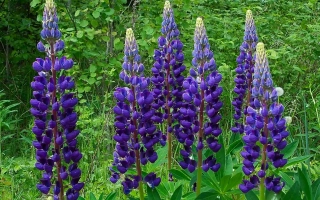

Lupinus polyphyllus
Volyn State Agricultural Experimental Station
056 3 offers
1.14 €per 1 kg ≈ 59 ₴


Recently viewed
Products you’ve viewed on this site
Reviews · 0