


SKU #74450
·
56 views
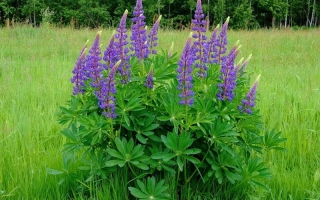
Lupinus polyphyllus
Lupin
Volyn State Agricultural Experimental StationUser rating
0 votes0% positive reviews
No ratings yet — be the first.
Usage
Feed Crop
Plant Height
50-120
Green Mass Yield (t/ha)
45-60
Protein content in dry matter (%)
15-18
Prices in stores
from1.14 €per 1 kg
pack from 0.39 € per 0.5 g
3 offers from 3 stores
Store offers · 3 from 3 stores
Prices are updated on loadLoading offers…
Available at: ЛЕЧЕЦ · Сади Буковини · Світ Рослин
Aggregator catalog: prices are collected automatically from store websites, normalized by AI and converted at the current exchange rate. Before ordering, confirm the price and availability on the store's website. This block is not indexed by search engines — the data is loaded after the page opens.
About product

A reliable source of protein with green mass yields of up to 60 t/ha for efficient livestock farming.
Usage
Feed Crop
Plant Height
50-120
Green Mass Yield (t/ha)
45-60
Protein content in dry matter (%)
15-18
Description
A Reliable Choice for Forage Rations
The Luchesk lupin variety, developed by breeders at the Volyn State Agricultural Experimental Station, is a prime example of effective domestic crop production. In the variable climate of Ukraine, this variety has established itself as a reliable source of plant-based protein for livestock needs.
Key Productivity Metrics
- Biomass Yield: Green mass yields reach 45–60 t/ha, allowing for a substantial feed reserve with moderate cultivation costs.
- Nutritional Value: Protein content in dry matter stands at 15–18%, which is an optimal level for ensuring a balanced diet for farm animals.
- Morphology: Plant height varies between 50 and 120 cm, simplifying mechanized harvesting and making the variety suitable for most farm types.
Why Choose Luchesk?
The main advantage of this variety is its adaptation to local soil and climatic conditions. Unlike many imported hybrids that require intensive protection and fertilization schemes, Luchesk shows a predictable response to standard agricultural practices. It possesses high environmental plasticity, which is crucial for farmers working in high-risk farming regions.
However, as a variety, it requires adherence to crop rotation and weed control during the early stages of vegetation. It is the optimal choice for producers who prioritize rational farming: obtaining high-quality green mass with a high protein concentration without excessive investments in foreign-sourced seed stock.
Crop & resistance
Crop
Specifications
| Usage | |
|---|---|
| Plant Height | 50-120 |
| Green Mass Yield (t/ha) | 45-60 |
| Protein content in dry matter (%) | 15-18 |
| Registration year | 2017 |
| Catalog | Catalog → Lupin |
| Manufacturer | Volyn State Agricultural Experimental Station |
| Country | Ukraine |
Not yet комментариев. Be the first!


See also
Often considered together with this variety



Recently viewed
Products you’ve viewed on this site
Reviews · 0