

SKU #74434
·
69 views
Olymp
Lupin
User rating
0 votes0% positive reviews
No ratings yet — be the first.
Usage
Decor
Plant Height
80-150
Registration year
2019
Prices in stores
from0.55 €per 1 kg
pack from 548.15 € per 1 t
1 offer from 1 store
Store offers · 1 from 1 stores
Prices are updated on loadLoading offers…
Available at: Агроексперт-Трейд
Aggregator catalog: prices are collected automatically from store websites, normalized by AI and converted at the current exchange rate. Before ordering, confirm the price and availability on the store's website. This block is not indexed by search engines — the data is loaded after the page opens.
About product

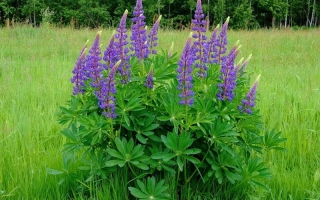
A robust decorative variety that requires no staking and minimal maintenance for any landscape.
Usage
Decor
Plant Height
80-150
Registration year
2019
Description
Practical insights on growing Olympus lupine
Selecting decorative crops for landscaping often involves choosing between aesthetic appeal and maintenance requirements. The 'Olympus' variety, developed by the Polissia Institute of Agriculture of the UAAS, offers a balanced solution for those prioritizing a low-maintenance, high-impact result.
Operational parameters
With a height range of 80–150 cm, this plant serves well as a structural element or a natural privacy screen. For the operator, the primary advantage is structural integrity: the plants are naturally resistant to lodging, meaning you do not need to install stakes or support systems, saving significant labor time during the growth season.
- Maintenance routine: The primary task is simple pruning of flower stalks after blooming to maintain visual cleanliness and manage spread.
- Resource efficiency: Being well-adapted to the local climate, the variety requires minimal supplemental irrigation once established and shows high resilience against pests.
- Weed suppression: The dense vegetative mass acts as a natural barrier, reducing the need for weeding and mechanical cultivation around the base.
From an owner's perspective, 'Olympus' is essentially a low-intervention asset. It thrives with minimal fertilization and shows great tolerance to variable weather conditions, avoiding the 'repair' phase often associated with more delicate ornamentals. If you are looking for a reliable, self-sustaining green solution, this variety provides excellent performance with almost zero operational downtime.
Crop & resistance
Crop
Specifications
| Usage | |
|---|---|
| Plant Height | 80-150 |
| Registration year | 2019 |
| Catalog | Catalog → Lupin |
| Legal data |
Show · 1
|
| Country | Ukraine |
Not yet комментариев. Be the first!





See also
Often considered together with this variety

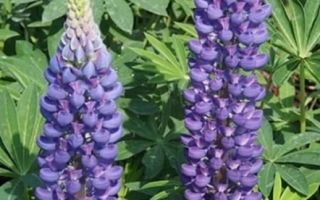
Lupinus polyphyllus
Volyn State Agricultural Experimental Station
056 3 offers
1.14 €per 1 kg ≈ 59 ₴


Recently viewed
Products you’ve viewed on this site
Reviews · 0