


SKU #68612
·
60 views
Alfalfa Feya
Lucerne
User rating
0 votes0% positive reviews
No ratings yet — be the first.
Plant Height
120-140
Registration year
2012
Prices in stores
from4.1 €per 1 kg
pack from 4.1 € per 1 kg
1 offer from 1 store
Store offers · 1 from 1 stores
Prices are updated on loadLoading offers…
Available at: Agromagazin
Aggregator catalog: prices are collected automatically from store websites, normalized by AI and converted at the current exchange rate. Before ordering, confirm the price and availability on the store's website. This block is not indexed by search engines — the data is loaded after the page opens.
About product

The FEYA lucerne variety is a blue-hybrid type of variable lucerne, characterized by plant height ranging from 120 to 140 cm and a semi-erect bush form with good bushiness, comprising 44–48 stems. Leaves are light green, reverse-ovate, elliptical, and elongated-elliptical in shape, slightly hairy and without a waxy coating, which promotes good leaf coverage within 40-51%. Inflorescences have a den…
Plant Height
120-140
Registration year
2012
Description
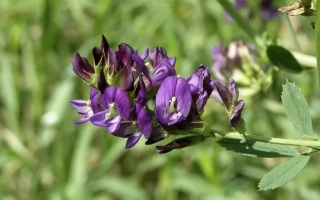
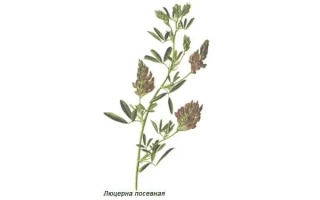
The FEYA lucerne variety is a blue-hybrid type of variable lucerne, characterized by plant height ranging from 120 to 140 cm and a semi-erect bush form with good bushiness, comprising 44–48 stems. Leaves are light green, reverse-ovate, elliptical, and elongated-elliptical in shape, slightly hairy and without a waxy coating, which promotes good leaf coverage within 40-51%. Inflorescences have a dense long-cylindrical raceme measuring 3–5 cm in length with corollas ranging from light to dark purple shades. The mass of 1000 seeds varies from 1.7 to 2.2 g, while the vegetation period from spring regrowth to seed harvest is 125–130 days. FEYA is distinguished by high winter hardiness and a powerful taproot-divergent root system, ensuring resistance to drought and lodging. Potential yield of fodder mass under dryland farming conditions reaches 800 c/ha, while seed yield is 3–4 c/ha. The nitrogen-fixing ability of the variety ranges from 280 to 320 kg/ha, contributing to improved soil fertility. Protein content in fodder mass varies from 18.8 to 21.4%, making this variety a valuable source of nutrients for animals. Spring regrowth and recovery after cuts proceed successfully, allowing for the formation of up to four cuts per season. The FEYA variety shows tolerance to major lucerne diseases such as ascochitis, brown blotch, and anthracnose, enhancing its reliability and resilience under agricultural conditions of the North Caucasus region. Due to its characteristics, the variety is recommended for hay and pasture use, ensuring stable and high yields of fodder mass and seeds. High dry matter and protein yield has been confirmed by trials in the region, where the variety showed results above average standards.
Video · 1 video
Suggest a video →Crop & resistance
Crop
Disease resistance
Specifications
| Plant Height | 120-140 |
|---|---|
| Registration year | 2012 |
| Catalog | Catalog → Lucerne |
| Legal data |
Show · 1 |
| Country | Russia |
Not yet комментариев. Be the first!
Alternatives
Alfalfa seeds · similar varieties





See also
Often considered together with this variety




Recently viewed
Products you’ve viewed on this site
Reviews · 0