


SKU #68618
·
52 views
Voronezhskaya 6
Lucerne
User rating
0 votes0% positive reviews
No ratings yet — be the first.
Plant Height
70-100
Registration year
1997
About product

Alfalfa variety Voronezhskaya 6 represents a variable alfalfa (Medicago sativa L. nothosubsp. varia) bred at the Voronezh Experimental Station for Perennial Forage Crops. This variety belongs to the blue hybrid type and was created based on a complex hybrid population formed from six simple hybrids followed by cross-pollination. The bushes are erect, with bowl and chalice shapes and medium bushine…
Plant Height
70-100
Registration year
1997
Description
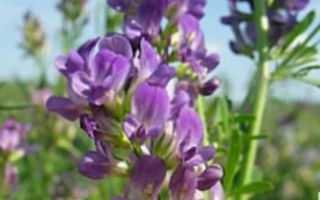
Alfalfa variety Voronezhskaya 6 represents a variable alfalfa (Medicago sativa L. nothosubsp. varia) bred at the Voronezh Experimental Station for Perennial Forage Crops. This variety belongs to the blue hybrid type and was created based on a complex hybrid population formed from six simple hybrids followed by cross-pollination. The bushes are erect, with bowl and chalice shapes and medium bushiness. Leaves are of medium size, elliptical in shape with serrations at the top and weak hairiness, colored dark green. Inflorescences have an oval raceme of medium looseness with purple flowers of various shades. Seeds are kidney-shaped, yellow, with hardseededness up to 5%. Variety Voronezhskaya 6 is characterized by good yield and is adapted to various climatic conditions of the Central-Chernozem, Lower Volga and Ural regions. In steppe conditions without irrigation, it forms two cuts with a green mass yield of 38-40 tons per hectare, dry matter of 9-10 tons per hectare, and seeds of 160-350 kg per hectare. The vegetative period lasts from 57-75 days to the first cut and up to 120-130 days to full seed maturity. The variety is resistant to lodging and has winter hardiness at the level of standards, which ensures its reliability in various agro-climatic zones. In terms of diseases, Voronezhskaya 6 demonstrates above-average resistance, although in some years it may be affected by root rots and brown spot at the level of standard varieties. Seeds of this alfalfa variety have high quality indicators: seed purity of not less than 96%, germination of not less than 80%. It is recommended for sowing in the Ural climatic region, including such territories as the Republic of Bashkortostan, Kurgan, Orenburg and Chelyabinsk regions. Thanks to its characteristics and adaptability, Voronezhskaya 6 is a reliable choice for producing forage crops.
Crop & resistance
Crop
Disease resistance
Specifications
| Plant Height | 70-100 |
|---|---|
| Registration year | 1997 |
| Catalog | Catalog → Lucerne |
| Legal data |
Show · 1
|
| Country | Russia |
Store offers
Prices are updated on loadLoading offers…
Aggregator catalog: prices are collected automatically from store websites, normalized by AI and converted at the current exchange rate. Before ordering, confirm the price and availability on the store's website. This block is not indexed by search engines — the data is loaded after the page opens.
Not yet комментариев. Be the first!
Alternatives
Alfalfa seeds · similar varieties


See also
Often considered together with this variety



Recently viewed
Products you’ve viewed on this site
Reviews · 0