
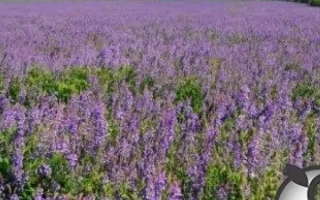

SKU #68614
·
43 views
ROSTOVSKAYA 60
Lucerne
User rating
0 votes0% positive reviews
No ratings yet — be the first.
Plant Height
70-110
Registration year
1997
About product

The lucerne variety Rostovskaya 60 is a variable lucerne (Medicago sativa L. nothosubsp. varia), developed at the VNIIZS named after I.G. Kalinenko in the Rostov region. This variety has been included in the State Register of Breeding Achievements in Russia and is recommended for cultivation in various regions. Rostovskaya 60 is characterized by a medium maturity period and a semi-erect bush with…
Plant Height
70-110
Registration year
1997
Description
The lucerne variety Rostovskaya 60 is a variable lucerne (Medicago sativa L. nothosubsp. varia), developed at the VNIIZS named after I.G. Kalinenko in the Rostov region. This variety has been included in the State Register of Breeding Achievements in Russia and is recommended for cultivation in various regions. Rostovskaya 60 is characterized by a medium maturity period and a semi-erect bush with dark green leaf color; the central leaflet is long and wide. Plant height varies depending on cutting: after the first cutting, they are tall, after the second—medium, and after the third—short.
The variety is distinguished by high drought resistance and resistance to diseases such as root rot and ascochyta blight, with infection rates of 1-5% and 10-15%, respectively. The green mass of the lucerne contains 28-30% crude fibre, 25-27% dry matter, and 21-23% digestible protein, making it a valuable feed for animals. The energy value is 0.23-0.25 feed units per 100 kg of natural feed.
Rostovskaya 60 demonstrates high yield: the average yield in the region reaches 99.4 centners per hectare, which is 9.8% higher than the standard, while the maximum yield of dry matter is 26%. The variety is widely used in agriculture for feeding animals and soil improvement, making it a versatile and efficient choice for farmers.
The variety is distinguished by high drought resistance and resistance to diseases such as root rot and ascochyta blight, with infection rates of 1-5% and 10-15%, respectively. The green mass of the lucerne contains 28-30% crude fibre, 25-27% dry matter, and 21-23% digestible protein, making it a valuable feed for animals. The energy value is 0.23-0.25 feed units per 100 kg of natural feed.
Rostovskaya 60 demonstrates high yield: the average yield in the region reaches 99.4 centners per hectare, which is 9.8% higher than the standard, while the maximum yield of dry matter is 26%. The variety is widely used in agriculture for feeding animals and soil improvement, making it a versatile and efficient choice for farmers.
Video · 1 video
Suggest a video →Crop & resistance
Crop
Disease resistance
Specifications
| Plant Height | 70-110 |
|---|---|
| Registration year | 1997 |
| Catalog | Catalog → Lucerne |
| Legal data |
Show · 1
|
| Country | Russia |
Store offers
Prices are updated on loadLoading offers…
Aggregator catalog: prices are collected automatically from store websites, normalized by AI and converted at the current exchange rate. Before ordering, confirm the price and availability on the store's website. This block is not indexed by search engines — the data is loaded after the page opens.
Not yet комментариев. Be the first!
Alternatives
Alfalfa seeds · similar varieties



See also
Often considered together with this variety



Recently viewed
Products you’ve viewed on this site
Reviews · 0