


SKU #68616
·
55 views
Alfalfa AGNIA
Lucerne
User rating
0 votes0% positive reviews
No ratings yet — be the first.
Plant Height
70-90
Registration year
2012
About product

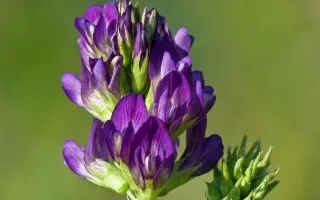
AGNIA is a variety of variable alfalfa (Medicago sativa L. nothosubsp. varia), characterized by medium plant height in spring and a semi-upright bush with leaves of medium-intensity green color. This variety is distinguished by high adaptability to various abiotic stresses and resistance to root rots, ensuring its reliability and stability under various climatic conditions.AGNIA is included in the…
Plant Height
70-90
Registration year
2012
Description
AGNIA is a variety of variable alfalfa (Medicago sativa L. nothosubsp. varia), characterized by medium plant height in spring and a semi-upright bush with leaves of medium-intensity green color. This variety is distinguished by high adaptability to various abiotic stresses and resistance to root rots, ensuring its reliability and stability under various climatic conditions.
AGNIA is included in the state registers of several regions, including Central, Volga-Vyatka, Urals, and West Siberia. The average yield of dry matter in these regions varies from 71.1 to 73.4 c/ha, exceeding average standards by 3-6 c/ha. Protein content in green mass reaches 15.6-18.5%, making this variety valuable for forage purposes.
Studies show that the optimal period for the economic use of variable alfalfa varieties, including AGNIA, is about five years, after which a decrease in grass density due to diseases is observed. Despite this, the variety maintains high yield and resistance for several years, confirming its effectiveness and economic viability for agricultural use.
AGNIA is included in the state registers of several regions, including Central, Volga-Vyatka, Urals, and West Siberia. The average yield of dry matter in these regions varies from 71.1 to 73.4 c/ha, exceeding average standards by 3-6 c/ha. Protein content in green mass reaches 15.6-18.5%, making this variety valuable for forage purposes.
Studies show that the optimal period for the economic use of variable alfalfa varieties, including AGNIA, is about five years, after which a decrease in grass density due to diseases is observed. Despite this, the variety maintains high yield and resistance for several years, confirming its effectiveness and economic viability for agricultural use.
Crop & resistance
Crop
Specifications
| Plant Height | 70-90 |
|---|---|
| Registration year | 2012 |
| Catalog | Catalog → Lucerne |
| Legal data |
Show · 2
|
| Country | Russia |
Store offers
Prices are updated on loadLoading offers…
Aggregator catalog: prices are collected automatically from store websites, normalized by AI and converted at the current exchange rate. Before ordering, confirm the price and availability on the store's website. This block is not indexed by search engines — the data is loaded after the page opens.
Not yet комментариев. Be the first!
Alternatives
Alfalfa seeds · similar varieties





See also
Often considered together with this variety



Recently viewed
Products you’ve viewed on this site
Reviews · 0