


SKU #68633
·
45 views
MUSLIMA
Lucerne
User rating
0 votes0% positive reviews
No ratings yet — be the first.
Plant Height
70-95
Registration year
2003
About product

Muslima is a variety of the variable alfalfa belonging to the blue-variegated hybrid type, adapted to the agro-climatic conditions of the Volga-Vyatka and Middle Volga regions. The plant is of medium height with a semi-erect bush form, characterized by variegated and blue-violet flowers. This variety is distinguished by high winter hardiness and lodging resistance, ensuring its reliability in cult…
Plant Height
70-95
Registration year
2003
Description
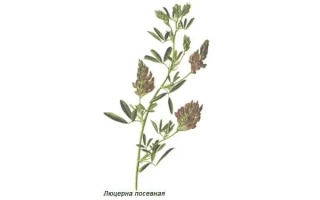
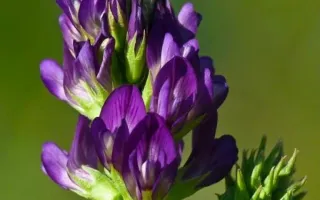
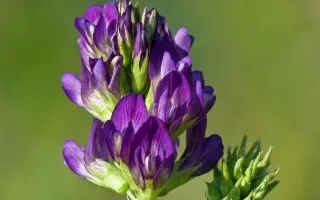
Muslima is a variety of the variable alfalfa belonging to the blue-variegated hybrid type, adapted to the agro-climatic conditions of the Volga-Vyatka and Middle Volga regions. The plant is of medium height with a semi-erect bush form, characterized by variegated and blue-violet flowers. This variety is distinguished by high winter hardiness and lodging resistance, ensuring its reliability in cultivation across various zones. Leaves are green and elliptical with serrations at the top, while inflorescences are multi-flowered heads of medium density. Seeds are bean-shaped, yellow-violet in color, and have a seed hardness of 15-20%.
Muslima grows well on weakly acidic and neutral soils, demonstrating high productivity both in green mass and seeds. Green mass yield reaches 36 tons per hectare, and seed yield is about 0.3 tons per hectare. In the non-black soil zone, seed yield is 250-300 kg/ha, and in forest-steppe and steppe zones, it can reach up to 800 kg/ha. The variety forms a rosette of autumn regrowth and can produce two to three cuts per season, making it universal for pasture and haymaking use.
The Muslima variety is resistant to major diseases such as phoma, rust, and brown small leaf spot, affected by them weakly, and by root rots to a medium degree. Pests cause weak or medium damage, which corresponds to standard indicators for alfalfa. Thanks to breeding work aimed at increasing fodder and seed productivity, this variety ensures a stable and high yield of dry matter within 8-11 tons per hectare, making it a valuable choice for agricultural production.
Muslima grows well on weakly acidic and neutral soils, demonstrating high productivity both in green mass and seeds. Green mass yield reaches 36 tons per hectare, and seed yield is about 0.3 tons per hectare. In the non-black soil zone, seed yield is 250-300 kg/ha, and in forest-steppe and steppe zones, it can reach up to 800 kg/ha. The variety forms a rosette of autumn regrowth and can produce two to three cuts per season, making it universal for pasture and haymaking use.
The Muslima variety is resistant to major diseases such as phoma, rust, and brown small leaf spot, affected by them weakly, and by root rots to a medium degree. Pests cause weak or medium damage, which corresponds to standard indicators for alfalfa. Thanks to breeding work aimed at increasing fodder and seed productivity, this variety ensures a stable and high yield of dry matter within 8-11 tons per hectare, making it a valuable choice for agricultural production.
Crop & resistance
Crop
Disease resistance
Specifications
| Plant Height | 70-95 |
|---|---|
| Registration year | 2003 |
| Catalog | Catalog → Lucerne |
| Legal data |
Show · 5
|
| Country | Russia |
Store offers
Prices are updated on loadLoading offers…
Aggregator catalog: prices are collected automatically from store websites, normalized by AI and converted at the current exchange rate. Before ordering, confirm the price and availability on the store's website. This block is not indexed by search engines — the data is loaded after the page opens.
Not yet комментариев. Be the first!
Alternatives
Alfalfa seeds · similar varieties






See also
Often considered together with this variety



Recently viewed
Products you’ve viewed on this site
Reviews · 0