


SKU #68624
·
55 views
Alfalfa ROSTOVSKAYA 90
Lucerne
Prices in stores
No offers yet — stores have not added prices for this product yet.
Similar varieties with prices
-
Vira
from 3.95 €per 1 kg
-
 VandaRVA Ukraine
from 1.74 €
VandaRVA Ukraine
from 1.74 €
-
 VlastaNPZ Lembke
from 4.55 €per 1 kg
VlastaNPZ Lembke
from 4.55 €per 1 kg
-
 Sinska
from 290.56 €
Sinska
from 290.56 €
Plant Height
94-106
Registration year
1999
Your mark
0 votes
0% positive ratings
Description
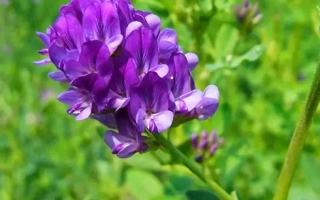
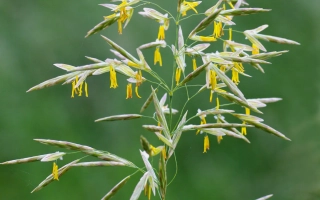
Rostovskaya 90 alfalfa is a variable cultivar of Medicago sativa L., created through hybridization, individual-family selection, and polycrossing. The plant is tall, reaching a height of 94-106 cm, with an upright bush and stem of medium coarseness. Leaves are dark green; the terminal leaflet varies from medium to long and from narrow to medium. The inflorescence consists of a medium-density raceme, and pods are spirally twisted with 1-3 twists. The vegetative period ranges from 104 to 124 days, with a period from regrowth to the first mowing of 58-74 days. After the first mowing, the plant has medium height; after the second, low to medium; and after the third, low. The cultivar is distinguished by high yield: average green mass yield reaches 32.0 t/ha, hay yield is 8.22 t/ha, and seed yield is 0.37 t/ha, with maximum green mass up to 49.6 t/ha and seeds up to 0.8 t/ha. Alfalfa quality is high, with crude protein content in dry matter at 19.8-20.0%, exceeding standard indicators. The plant is characterized by high winter hardiness and drought resistance, making it a reliable choice for various climatic conditions. Rostovskaya 90 is resistant to major diseases and pests, including rust and alfalfa weevil, with weak incidence. It is recommended for cultivation in the North Caucasus and Middle Volga regions of Russia, as well as in the Republic of Belarus. Due to its characteristics and stable yield, this cultivar is widely used for obtaining quality feed and seeds, confirmed by its inclusion in the State Register of Breeding Achievements since 1999.
Video · 3 videos
Suggest a video →Crop & resistance
Crop
Disease resistance
Pest resistance
Specifications
| Plant Height | 94-106 |
|---|---|
| Registration year | 1999 |
| Catalog | Catalog → Lucerne |
| Legal data |
Show · 1
|
| Country | Russia |
No reviews yet. Be the first to share your experience.
Alternatives
Alfalfa seeds · similar varieties



See also
Often considered together with this variety




Recently viewed
Products you’ve viewed on this site
Reviews