


SKU #68636
·
55 views
Alfalfa FLORA 6
Lucerne
Prices in stores
No offers yet — stores have not added prices for this product yet.
Similar varieties with prices
-
 ASHEN KATY
from 1.81 €per 1 kg
ASHEN KATY
from 1.81 €per 1 kg
-
 PlatoFeldsaaten Freudenberger GmbH&Co.KG
from 20.44 €per 1 kg
PlatoFeldsaaten Freudenberger GmbH&Co.KG
from 20.44 €per 1 kg
-
 Banat VSIFVCNS (Novi Sad)
from 3.84 €per 1 kg
Banat VSIFVCNS (Novi Sad)
from 3.84 €per 1 kg
-
 Ramina
from 6.54 €за л
Ramina
from 6.54 €за л
Plant Height
70-90
Registration year
2003
Your mark
0 votes
0% positive ratings
Description
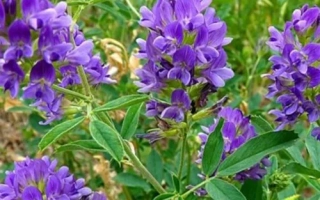
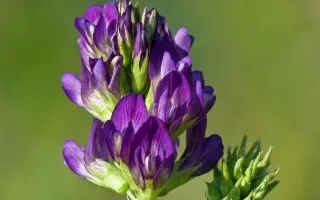
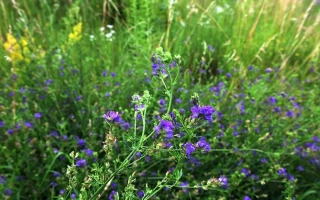
FLORA 6 — a medium-maturing variety of variable alfalfa (Medicago sativa L. nothosubsp. varia), characterized by a semi-erect bush of medium height and medium stem length. The plant leaves are green, with a central leaflet of medium length and width. The flowers of the variety vary in color: blue-violet, cream, white, and yellow are found, which gives the plant decorative attractiveness. The average yield of dry matter in the test region is about 57.7 c/ha, which corresponds to standard indicators for this region.
Alfalfa FLORA 6 is a perennial herbaceous plant of the legume family, possessing high feed value and productivity. During the vegetation period, it is capable of growing 3-4 times, providing tender and nutritious feed for animals. Green mass and alfalfa hay are rich in protein, vitamins, and minerals, which makes it one of the best feeds for livestock. The yield of green mass can reach 400-600 c/ha, and hay — 50-120 c/ha and higher. Due to the high content of digestible protein and feed units, alfalfa is widely used for the production of green feed, hay, and silage.
In addition to its feed purpose, alfalfa FLORA 6 plays an important role in agronomy as green fertilizer and cover crop. Thanks to symbiosis with nitrogen-fixing rhizobacteria, it enriches the soil with nitrogen, significantly increasing its fertility. In the 2-3rd year of plant life, it is capable of accumulating nitrogen in the soil in an amount equivalent to 40-60 tons of manure. This contributes to improving soil structure and reducing field infestation by weeds with a thick turf. Alfalfa is an excellent predecessor for cereals and other agricultural crops, which makes it indispensable in crop rotation.
Alfalfa FLORA 6 is a perennial herbaceous plant of the legume family, possessing high feed value and productivity. During the vegetation period, it is capable of growing 3-4 times, providing tender and nutritious feed for animals. Green mass and alfalfa hay are rich in protein, vitamins, and minerals, which makes it one of the best feeds for livestock. The yield of green mass can reach 400-600 c/ha, and hay — 50-120 c/ha and higher. Due to the high content of digestible protein and feed units, alfalfa is widely used for the production of green feed, hay, and silage.
In addition to its feed purpose, alfalfa FLORA 6 plays an important role in agronomy as green fertilizer and cover crop. Thanks to symbiosis with nitrogen-fixing rhizobacteria, it enriches the soil with nitrogen, significantly increasing its fertility. In the 2-3rd year of plant life, it is capable of accumulating nitrogen in the soil in an amount equivalent to 40-60 tons of manure. This contributes to improving soil structure and reducing field infestation by weeds with a thick turf. Alfalfa is an excellent predecessor for cereals and other agricultural crops, which makes it indispensable in crop rotation.
Crop & resistance
Crop
Specifications
| Plant Height | 70-90 |
|---|---|
| Registration year | 2003 |
| Catalog | Catalog → Lucerne |
| Legal data |
Show · 12
|
| Country | Russia |
No reviews yet. Be the first to share your experience.
Alternatives
Alfalfa seeds · similar varieties


See also
Often considered together with this variety


Recently viewed
Products you’ve viewed on this site
Reviews