


SKU #70916
·
41 views
ROSSINANT
Fescue
DLFUser rating
0 votes0% positive reviews
No ratings yet — be the first.
Type
Red Oatmeal
Assignment
Lawn, Feed, Decorative
Tread Wear Resistance
High
Leaf Decorativeness
Green
About product

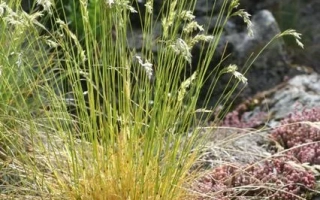
A high-durability Red Fescue variety with natural resistance to red thread disease.
Type
Red Oatmeal
Assignment
Lawn, Feed, Decorative
Tread Wear Resistance
High
Leaf Decorativeness
Green
Description
Resilience by Design: The Rossinant Advantage
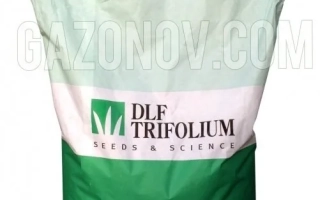
When it comes to turfgrass, durability is the ultimate currency. The Rossinant variety, developed by the Danish experts at DLF, is engineered to bridge the gap between aesthetic beauty and high-traffic resilience. Unlike standard varieties that require constant maintenance, Rossinant stands out for its self-sustaining nature and genetic vigor.
Why Professionals Prefer Rossinant
- Red Thread Resistance: One of the most significant challenges for turf managers is red thread disease. Rossinant offers built-in resistance, reducing the need for aggressive fungicide applications and keeping the lawn healthy throughout the humid seasons.
- Superior Wear Tolerance: Whether it's a recreational park or a high-footfall decorative area, Rossinant’s dense root structure ensures it can handle mechanical stress while maintaining a uniform, lush green appearance.
- Versatility in Use: While primarily celebrated as a premier lawn grass, its status as a high-quality forage crop highlights its nutritional density and growth rate, making it an excellent dual-purpose choice for specific agricultural needs.
Is it the right choice for your project?
Rossinant is perfectly suited for those who need a reliable, low-fuss solution that doesn't compromise on visual appeal. It thrives in various environments, showing excellent recovery rates after stress. Its deep green color persists even under suboptimal conditions, making it a reliable pick for landscaping professionals. While it performs best with proper soil preparation during the establishment phase, its long-term performance makes the initial investment well worth it.
Crop & resistance
Disease resistance
Specifications
| Type | |
|---|---|
| Assignment | |
| Tread Wear Resistance | |
| Leaf Decorativeness | |
| Registration year | 2011 |
| Catalog | Catalog → Fescue |
| Manufacturer | DLF |
| Legal data |
Show · 3
|
| Country | Denmark |
Store offers
Prices are updated on loadLoading offers…
Aggregator catalog: prices are collected automatically from store websites, normalized by AI and converted at the current exchange rate. Before ordering, confirm the price and availability on the store's website. This block is not indexed by search engines — the data is loaded after the page opens.
Not yet комментариев. Be the first!
Alternatives
Fescue seeds · similar varieties




See also
Often considered together with this variety




Recently viewed
Products you’ve viewed on this site
Reviews · 0