
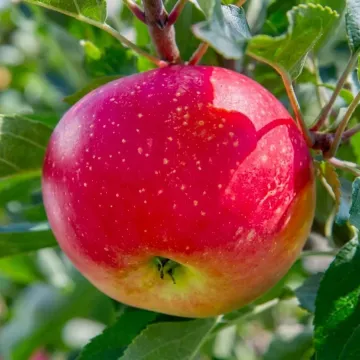
Description
Symptoms
The initial symptoms of scab appear as olive-green to brown velvety spots on the surface of leaves. As the disease progresses, these lesions may merge, causing the leaves to curl, yellow, and drop prematurely.
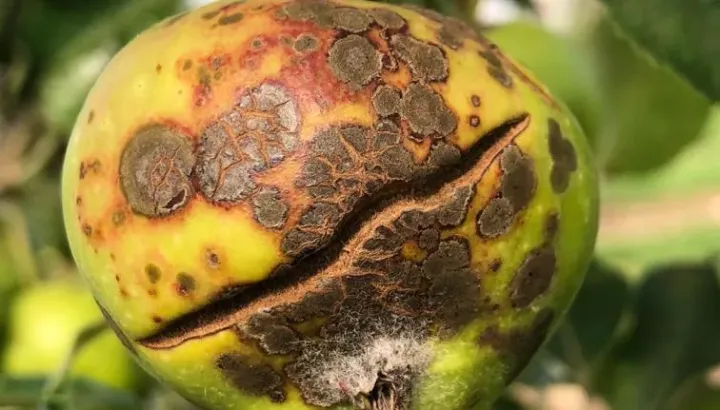
On fruit, the infection manifests as distinct, dark, corky lesions. As the fruit grows, these spots often crack, leading to severe surface scarring and deformation of the fruit shape.
Infection of the fruit pedicels can result in premature fruit drop, which significantly reduces the harvestable yield even if some fruit remains on the tree until maturity.
On susceptible pear twigs, the fungus can cause blistering or cracking of the bark, which may lead to the formation of cankers and a general decline in the vitality of the affected branches.
Chronic infection weakens the overall health of the tree, resulting in stunted growth, reduced vigor, and increased susceptibility to winter damage or secondary pests.
Pathogen
Scab is a fungal disease caused by members of the genus Venturia. The most economically significant species include Venturia inaequalis, which attacks apples, and Venturia pyrina, which targets pears.
The pathogen is an ascomycete fungus that completes part of its life cycle on dead, fallen leaves on the orchard floor. This stage, known as pseudothecia, is responsible for the primary spring infection.
During spring rain events, the fungus releases ascospores into the air, which land on susceptible young leaves and flower buds to initiate the disease cycle. This biology dictates the timing of primary control efforts.
Following initial infection, the fungus produces conidia, which are responsible for secondary infections that spread throughout the summer during humid conditions, multiplying the severity of the disease.
The fungus grows subcuticularly, creating protective layers that often shield it from surface-applied protectant fungicides once the infection has become established within the host tissue.
Conditions for development
Environmental moisture is the primary driver of scab epidemics. High humidity, prolonged wetness on leaf surfaces, and rainfall are essential requirements for the germination of fungal spores.
The optimal temperature range for the development of Venturia species is between 15°C and 22°C (59°F–72°F). Under these conditions, the incubation period is significantly reduced, facilitating rapid spread.
Poor orchard sanitation, specifically the failure to remove leaf litter, provides a massive reservoir of inoculum that ensures high infection pressure in the following spring.
Dense tree canopies that lack sufficient airflow or sunlight penetration maintain high localized humidity, creating an ideal microclimate for the fungus to thrive even when ambient conditions are drier.
Excessive succulent growth, often caused by heavy nitrogen fertilization, provides a constant supply of vulnerable young tissue that is easily colonized by the pathogen.
Why it matters
The economic impact of scab is primarily seen in the drastic reduction of fruit marketability. Cosmetic damage from lesions makes fruit unsuitable for fresh market sales.
Severe infections lead to significant quantitative losses due to fruit drop and the overall reduction in tree productivity caused by loss of photosynthetic surface area.
Stored fruit that appears healthy at harvest may develop late-season scab lesions if conditions were favorable during the final weeks before picking, resulting in storage losses.
Infected leaves and weakened shoots are more prone to secondary attacks by other pathogens, which can exacerbate the tree's health decline and lead to branch dieback.
The financial burden of constant fungicide application programs, coupled with lower-value crops, can threaten the viability of non-resistant orchards in high-pressure regions.
Protection
Effective management requires an integrated approach that focuses on reducing the initial pathogen population. Sanitation measures, such as mulching or removing fallen leaves, are vital to minimize early spring inoculum.
Pruning is essential for maintaining open tree structures, which facilitates rapid drying of foliage after rain and ensures better penetration of chemical sprays.
Chemical control programs focus on preventing infection during the critical periods of leaf and fruit development, typically using a combination of contact and systemic fungicides.
- Applying copper-based sprays early in the season.
- Timing fungicide applications based on weather monitoring and infection risk models.
- Selecting resistant or immune cultivars to drastically reduce dependence on synthetic chemicals.
Biological control agents, such as specific bacterial or fungal antagonists, can be applied to leaf litter or foliage to outcompete the pathogen and reduce disease incidence naturally.
Reference
Connections · Scab
Most often together:
Marketplace
Products · 1126
All 1126
Apple 468
Pear 256
Fungicides 247
Sugar Beet 49
Insecticides, Acaricides 19
Potato 19
Rootstocks 12
Biological Products 11
Plant Growth Regulators 10
Tulips 9
Cucumber 4
Sunflower 3
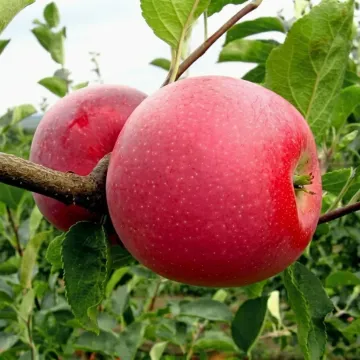
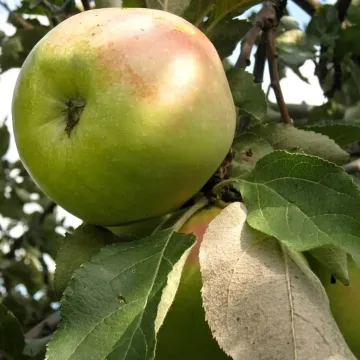
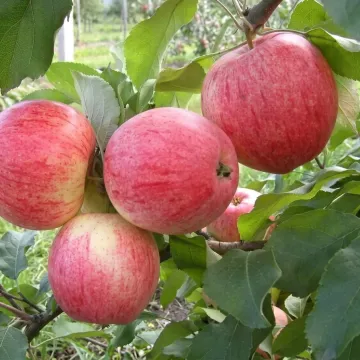
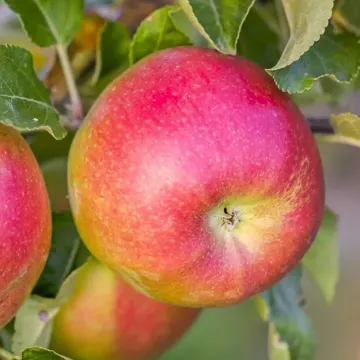
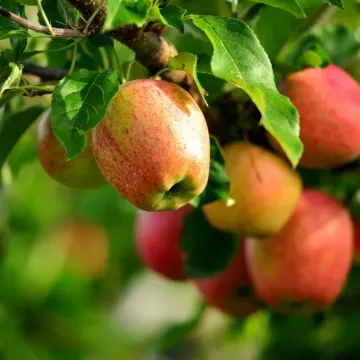
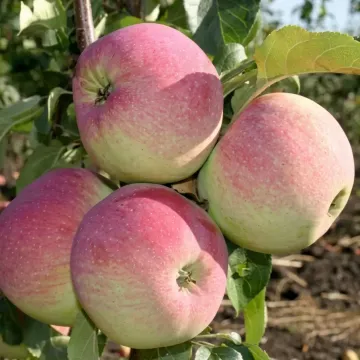

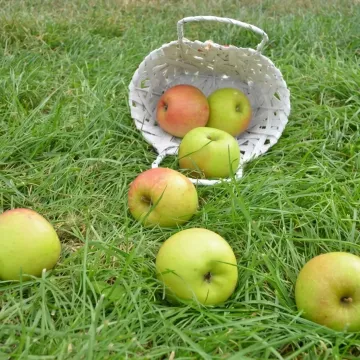


Golden Kurish Renet (Winter Golden Renet, Zolotarevka, Zolotorovsky Renet, Rogulevka)
Apple
0
0
1 offer
4.24 €per pack
Buy










Community
Discussion
No discussions yet — be the first.