
Description
Symptoms
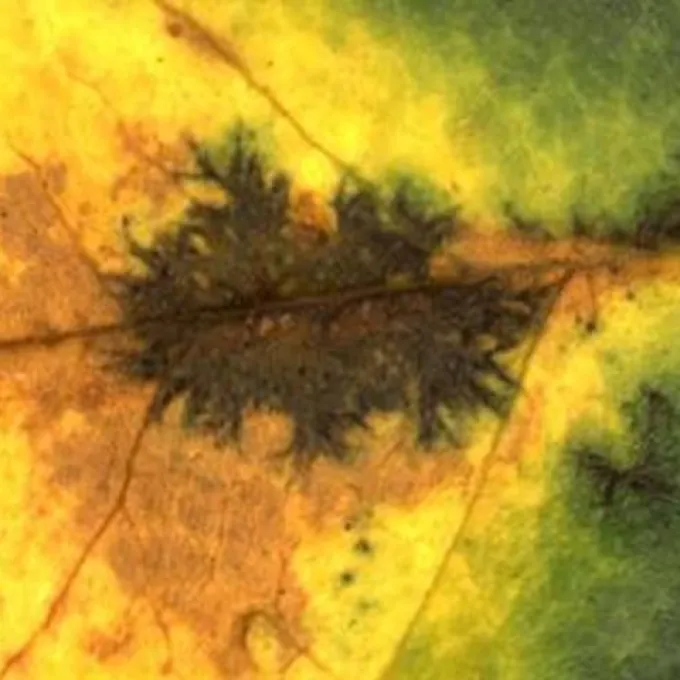
Early symptoms appear as small, circular, or irregular spots on leaves. These spots usually range from brown to dark-brown or black in color.
Over time, the spots expand and may coalesce, covering large sections of the leaf surface, which causes the foliage to become distorted and necrotic.
In high humidity, tiny dark spots or pustules become visible on the leaf surface; these are the fruiting bodies of the fungus producing new spores.
On young shoots, the infection manifests as sunken lesions or cankers that can eventually girdle the stem, leading to dieback of the branch above the infection site.
Fruit symptoms typically involve dark, sunken lesions that can penetrate deep into the tissue, often causing premature fruit drop and decay.
Pathogen
The disease is caused by fungi of the genus Marssonina (family Dermateaceae). These are specialized pathogens that primarily target leaves, shoots, and fruits of various plant species.
In the life cycle of the pathogen, conidia play a crucial role. These spores are produced in small structures called acervuli that erupt on the surface of the infected tissue.
The fungus overwinters primarily as mycelium and spores in fallen leaves, infected stems, and other plant debris left on the ground during the cold season.
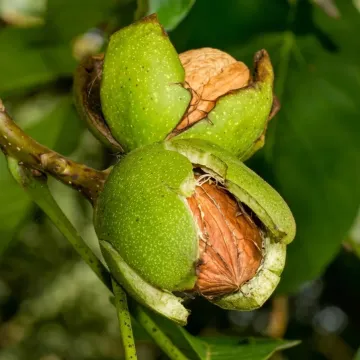
The disease is classified as a type of anthracnose or leaf spot. Different species have specific hosts, such as Marssonina juglandis on walnuts and Marssonina rosae on roses.
The pathogen is highly adaptable to environmental variations, making it a persistent threat that requires consistent monitoring and management in gardens and orchards.
Conditions for development
High humidity and frequent rainfall are the primary factors that facilitate the germination of spores and the spread of the disease during the growing season.
The fungus thrives within a temperature range of +18 to +25 degrees Celsius, though it remains viable and capable of infection under various weather patterns.
Dense, poorly ventilated plantings create a stagnant microclimate that traps moisture, providing perfect conditions for the rapid proliferation of the pathogen.
Plants under stress, such as those suffering from poor nutrition or insect damage, show significantly higher susceptibility to Marssonina infections.
The presence of overwintering inoculum in fallen foliage serves as the primary source of infection that initiates the cycle again every spring.
Why it matters
Marssonina leaf spot causes premature defoliation, which severely weakens the plant and reduces its ability to accumulate energy for the winter period.
Reduced photosynthetic capacity leads to stunted growth, poor fruit quality, and significant yield losses in commercial and ornamental crops.
Chronic infections weaken the overall health of the plant, making it more vulnerable to opportunistic pathogens and cold temperature stress during dormant months.
In the case of nut trees like walnut, the disease can lead to the loss of almost the entire crop due to early fruit drop and kernel rot.
Without proper management, recurring infections can result in the gradual decline and eventual death of individual branches or entire specimens.
Protection
The foundation of management is sanitation: raking and removing fallen leaves and pruning out infected branches to eliminate the source of the fungus.
Applying copper-based fungicides in early spring before bud break is an effective way to lower the initial spore load and prevent early infections.
During the growing season, timely applications of systemic and contact fungicides are recommended to protect new growth and stop the spread of the disease.
Proper spacing and canopy management improve airflow and sunlight penetration, which drastically reduces the humidity levels that the fungus requires.
Balanced fertilization, particularly with potassium and phosphorus, supports plant vigor and helps improve natural resistance against fungal invasion.
Content graph
Connections · Marssonina leaf spot
Most often together:
Marketplace
Products · 38


Community
Discussion
No discussions yet — be the first.