
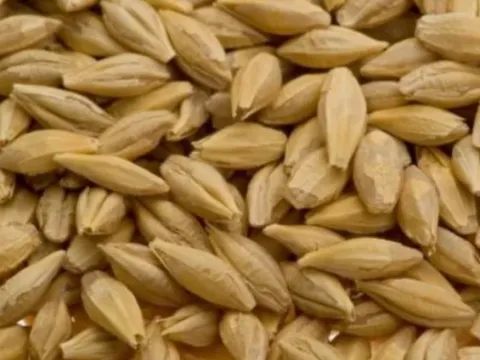
Tritordeum
x Tritordeum (Hordeum chilense x Triticum turgidum)
The sowing schedule for tritordeum largely aligns with traditional winter wheat practices. The optimal time for planting occurs when the average daily soil temperature drops to 12–15 degrees Celsius, which ensures uniform seed germination and quality tillering before the onset of winter dormancy.
What the section contains
Tritordeum
When selecting a sowing date, it is important to consider regional climatic characteristics, as the crop possesses high growth energy but requires sufficient accumulation of temperature sums for the development of a robust root system. Early sowing can lead to excessive plant growth, reducing winter hardiness, while overly late planting may result in weak autumn vegetation.
The seeding depth varies from 3 to 5 centimeters depending on the soil type and moisture level of the seedbed. In light sandy soils, deeper planting is permissible, whereas in heavy clay soils, seeds should be placed closer to the surface to facilitate easier seedling emergence through the soil crust.
Sowing density is calculated based on the target stand density, which is usually between 350 and 450 productive stems per square meter at harvest time. The recommended seeding rate is approximately 4–5 million viable seeds per hectare, allowing the crop to optimally utilize space and available nutrients.
To prevent lodging and improve the phytosanitary status of the field, crop rotation is strongly recommended, avoiding planting after other cereal predecessors. The use of high-quality, treated seed material is a critical factor for a successful start of the tritordeum growing season.
Tritordeum is a unique man-made hybrid created by crossing durum wheat (Triticum turgidum) with wild barley (Hordeum chilense). This breeding effort successfully combined the high nutritional value of wheat with the exceptional resilience of barley to adverse abiotic factors.
The crop demonstrates outstanding tolerance to drought conditions, making it promising for cultivation in regions with erratic rainfall patterns. The genetic contribution of Hordeum chilense provides the plant with the ability to effectively regulate water balance within cells and maintain productivity even under prolonged moisture deficit.
Soil requirements for tritordeum are moderate, though the best results are achieved in fertile, well-drained soils with a neutral or slightly acidic pH level. The plant is capable of adapting to saline soils, which distinguishes it from many traditional wheat varieties limited in their choice of suitable territories.
Full development of the plant requires sufficient sunlight during the grain-filling stage, as the crop is characterized by a long vegetation period. Agronomic management must include balanced applications of nitrogen, phosphorus, and potassium fertilizers, which stimulate vegetative growth and contribute to the filling of heavy ears.
An important factor for success is weed control during early developmental stages, as tritordeum seedlings can be sensitive to competition for nutrients. The use of modern herbicides and adherence to fertilizer application rates allow the full yield potential of this cereal to be unlocked.
The yield of tritordeum is comparable to that of modern winter wheat varieties, yet the crop shows more stable results under stress conditions. Field trial data indicate the potential to obtain between 5 and 8 tons of grain per hectare under intensive cultivation technologies.
Tritordeum grain is characterized by high protein and fiber content, which enhances its value for the food and processing industries. Special attention is paid to the quality of gluten, which possesses unique rheological properties sought after for baking bread with improved dietary characteristics.
Yield variability largely depends on the climatic conditions of a particular season and the timeliness of protective measures. Despite genetic resilience, extremely unfavorable weather conditions during the flowering period may lead to some reduction in pollen fertility, requiring careful planning of sowing dates.
The biological characteristics of the hybrid allow it to effectively accumulate nutrients even at low temperatures during the spring period. This ensures a fast start to vegetation and a competitive advantage over weeds, which indirectly contributes to an increase in final grain yield.
For consistent high-yield results, the use of certified seeds with high tillering coefficients is recommended. Regular monitoring of crop status for micronutrient deficiencies allows for timely foliar feeding, which is critical for forming high-quality grain.
The main threats to tritordeum crops include cereal fungal diseases such as powdery mildew, leaf rust, and fusarium head blight. Although the parent species possess some natural resistance, intensive cultivation requires preventive fungicide applications during periods of active infection development.
Among pests, cereal flies, aphids, and sunn pests pose the greatest danger, as they can significantly damage generative organs and reduce grain quality. Monitoring pest populations and the timely application of insecticides allow losses from insects to be minimized.
Infection by root rots may be observed if crop rotation is violated, especially when returning the crop to the same field more often than once every three years. To minimize risks, the use of fungicidal seed treatments is recommended, as they create a protective barrier for the young seedling.
Climatic stresses, such as late spring frosts after the start of spring vegetation, can also be a factor in plant damage. Although tritordeum has high plasticity, sudden temperature swings can lead to tissue micro-injuries, opening "gates" for the penetration of pathogenic organisms.
The developed protection strategy includes a comprehensive approach: adherence to optimal sowing rates, application of fungicides at key developmental stages, and monitoring the phytosanitary status of the surrounding area. Timely reaction to the first signs of disease is the foundation for maintaining high crop productivity.
Harvesting of tritordeum is carried out in the full maturity stage, when the moisture content of the mass drops to 13–14 percent. Delaying the harvest may lead to grain shedding, although varietal forms of the hybrid are quite resistant to this, allowing for flexible scheduling depending on the weather.
When using combines, it is necessary to carefully adjust the threshing mechanism to avoid damaging the germ or crushing the grain. Optimal drum speed and concave clearance settings are determined through experience, depending on the grain size and the status of the crop stand in a specific field.
The high biological value of the grain requires special storage conditions. Immediately after harvest, the grain must undergo primary cleaning to remove impurities and drying to reach a safe moisture level, preventing mold growth and self-heating in storage facilities.
A byproduct of harvesting is straw, which is characterized by strength and can be used as bedding for livestock or as raw material for bioenergy. When planning the harvest, it is worth considering this resource, using straw choppers if necessary to incorporate plant residues into the soil to improve fertility.
Proper logistics for transporting grain from the field to storage is a critical factor in preserving tritordeum quality. Minimizing the time unharvested grain spends in high-humidity conditions helps avoid a decrease in market properties and maintains the high protein level for which this crop is grown.