
Tritordeum
x Tritordeum
Tritordeum (x Tritordeum) is cultivated similarly to winter wheat, with planting typically scheduled for mid-autumn. This allows the plants to establish a strong root system and undergo the tillering phase before the onset of winter dormancy in colder climates.
What the section contains

Tritordeum
Precision in planting depth is essential, generally ranging between 3 to 5 centimeters. Proper soil contact is vital to ensure uniform germination, which ultimately leads to a consistent stand density and better competition against potential weed pressures during the early spring.
Seeding rates are determined based on local soil fertility and regional climate patterns, typically targeting an optimal density of 4 to 5 million viable seeds per hectare. Adjusting these rates helps manage the crop's canopy development and promotes better grain filling.
Seedbed preparation should result in a fine, crumbly soil structure to support early growth. Because the crop thrives in well-drained environments, fields with good soil structure are preferred to ensure that roots can access nutrients and moisture effectively.
In a typical crop rotation, Tritordeum performs best following legumes or fallow periods. Avoiding continuous cereal monocropping is recommended to break pest cycles and maintain long-term soil health, ensuring sustainable productivity over multiple seasons.
Tritordeum is a man-made amphidiploid, resulting from the cross-breeding of durum wheat (Triticum durum) and wild barley (Hordeum chilense). Belonging to the Poaceae family, it was specifically engineered to combine the desirable bread-making qualities of wheat with the resilience of barley.
The crop is highly adapted to Mediterranean climates, showing impressive tolerance to heat and drought. Its biological resilience allows it to maintain consistent performance in regions where other standard cereal crops might suffer from significant yield losses due to high temperatures.
Soil requirements for Tritordeum favor fertile, well-draining loams with a neutral pH level. While it displays some adaptability, high-yielding results are consistently observed on soils with balanced nutrient profiles, as the crop requires adequate phosphorus and potassium for growth.
Tritordeum possesses a deep and efficient root system, which contributes to its superior water-use efficiency compared to traditional wheat varieties. This biological advantage is crucial for farmers operating in arid or semi-arid regions where rainfall is erratic.
Nitrogen management is a key factor in crop success, particularly during the stem elongation stage. Providing the right amount of nutrients during critical growth phases ensures that the plant develops robust biomass and produces high-quality grain at harvest time.
Tritordeum exhibits competitive yield potential, often ranging from 4 to 6 tons per hectare depending on management practices and environmental conditions. It is particularly valued for its stability, providing reliable results even when subjected to mild environmental stressors.
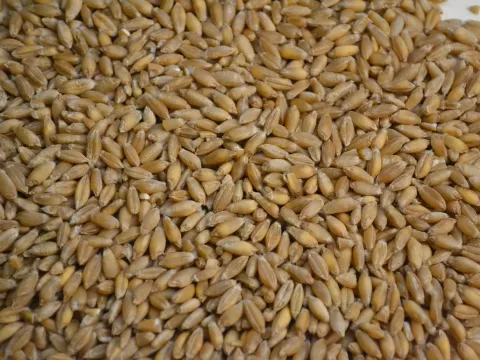
The grain quality of Tritordeum is a primary driver for its cultivation, characterized by high protein content and a unique, naturally occurring yellow pigment called lutein. This makes the grain highly desirable for the premium artisanal bakery and health-food markets.
The culinary application of Tritordeum is diverse, ranging from bread production to the creation of pasta and snacks. Its flavor profile is often described as nutty and pleasant, which provides a unique selling point for bakers seeking to differentiate their final products.
Research suggests that Tritordeum proteins may have better digestibility profiles compared to those found in standard wheat. This has positioned the crop as a significant innovation for the functional food industry, catering to consumers interested in improved nutritional value.
To maximize yields, it is important to implement good canopy management. If the crop is prone to lodging due to high biomass production, the use of growth regulators can help ensure that the stems remain upright, facilitating easier mechanical harvesting.
Tritordeum is genetically equipped with strong resistance to several common wheat diseases, such as leaf rust and powdery mildew. This inherent resistance significantly reduces the need for frequent fungicide applications, making it a sustainable choice for many producers.
Despite its resilience, the crop may be susceptible to fusarium head blight in environments with high humidity during the flowering stage. Proactive measures, such as proper crop rotation and the selection of disease-resistant varieties, are the best methods to mitigate this risk.
Pest management should focus on monitoring for common cereal pests like cereal flies, aphids, and beetles. Regular field scouting during the spring allows for timely intervention if thresholds for damage are exceeded, preventing the spread of insects throughout the crop.
Weed control is most critical during the first few weeks of growth. The application of selective herbicides and the use of competitive sowing densities are common strategies employed to suppress invasive plants and prevent them from competing for water and nutrients.
Integrated Pest Management (IPM) practices are encouraged when growing Tritordeum. By combining mechanical, biological, and chemical methods, farmers can protect their harvests while preserving beneficial insect populations and reducing the environmental impact of crop protection.