
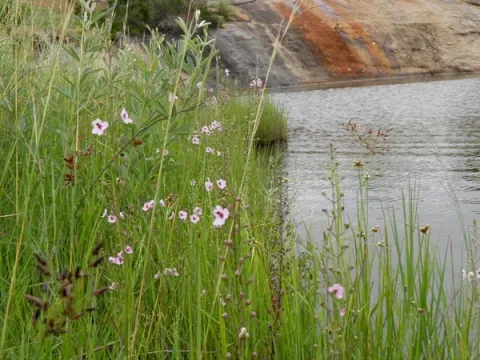
Sopubia
Sopubia
Sopubia is a genus of herbaceous plants belonging to the Orobanchaceae family. These plants are known for their semi-parasitic nature, which means they rely on root attachments called haustoria to extract nutrients from host plants in their native environment.
What the section contains

Sopubia
The genus is predominantly distributed in tropical and subtropical regions across Africa, Asia, and Australia. They thrive in open grassland habitats where they can find suitable host vegetation to attach their roots to, ensuring their nutritional intake.
Regarding soil requirements, Sopubia prefers well-drained, sandy, or loamy soils. They do not tolerate waterlogging, which often leads to root rot and failure to establish the necessary parasitic connection with the host plant.
Climate-wise, they require consistent warmth, typically between 20°C and 30°C, and moderate humidity. High levels of light are essential for their photosynthetic activity, even though they supplement their nutrition parasitically.
Cultivation of this plant is non-traditional due to its specific dependency on host species. Successfully maintaining Sopubia requires precise management of the ecosystem, ensuring that the host plant remains healthy while the Sopubia is being studied or grown.
Common diseases affecting Sopubia include various fungal pathogens that thrive in damp conditions. Fusarium wilt is particularly lethal, as it affects the vascular system and blocks the nutrient transfer between the host and the parasite.
Pests such as aphids and spider mites are frequent invaders of the foliage. These insects drain the plant's resources and can introduce secondary viral infections that stunt growth and reduce the plant's ability to flower.
Nematodes are another major threat, specifically targeting the haustorial attachments. If these organs are compromised, the plant cannot access the necessary resources from its host and will quickly lose vitality.
- Monitor for chlorosis (yellowing leaves) frequently.
- Ensure adequate spacing to prevent humidity buildup.
- Remove heavily infested plants immediately.
Integrated pest management is recommended for this genus. Chemical treatments should be used with extreme caution, as they can inadvertently harm the host plants or disrupt the delicate root-based relationships essential for the survival of the species.