
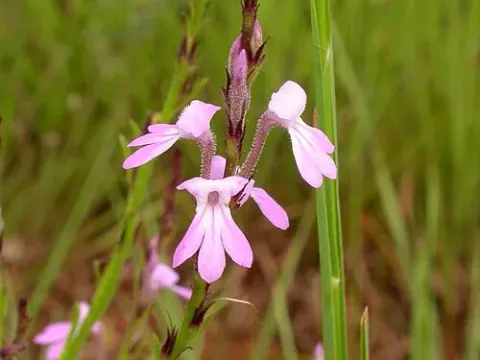
Striga junodii
Striga junodii
Striga junodii is a member of the Orobanchaceae family and functions as an obligate hemiparasite. This plant relies on a host connection for water and nutrient acquisition, embedding its specialized roots into the host's vascular system.
What the section contains
Striga junodii
Botanically, it is an annual herbaceous weed. Its survival strategy involves a dormant seed bank in the soil, which can remain viable for many years until specific stimulants from host roots are detected in the environment.
The native distribution of this species is primarily focused on regions in Africa. It thrives in various agro-ecosystems where cereal crops are cultivated, especially in environments with poor soil fertility and low input management.
Environmental requirements for this weed are centered around temperature and moisture levels that support rapid germination. It prefers open, well-lit habitats where competition from other vegetation is successfully suppressed by the parasite.
Proper soil management is essential to minimize the risk of infestation. Soils with a high level of organic matter and balanced moisture levels may help crops withstand the stress imposed by the parasitic activity of this plant.
The primary threat posed by Striga junodii is significant yield reduction in staple cereals. By diverting photosynthetic products and water from the host, the parasite forces stunted growth and often results in complete crop failure under severe infection.
Management strategies often involve the implementation of trap crops. These crops stimulate the germination of parasite seeds but do not provide the necessary host compatibility, effectively depleting the soil seed bank over time.
Chemical control is complicated by the underground nature of the parasite's life cycle. Most success has been found with pre-emergence treatments or precise application of herbicides that target the specific developmental stages of the weed.
Cultural control measures include crop rotation and intercropping with legumes that naturally suppress parasitic activity. Maintaining soil fertility through fertilization can also help the crop remain competitive against the parasitic pressure.
Sanitation practices are crucial for controlling the spread. Removing the parasite before it sets seed is mandatory, as a single plant can release thousands of seeds into the soil, creating a persistent infestation problem for years to come.