
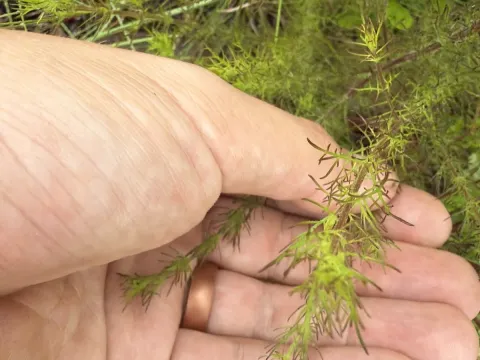
Seymeria
Seymeria
The genus Seymeria belongs to the Orobanchaceae family, formerly associated with Scrophulariaceae. These plants are characterized by their hemiparasitic nature, which means they are capable of photosynthesis but also extract water and nutrients from the roots of host plants.
What the section contains


Seymeria
Native primarily to North America, species of Seymeria are typically found in open meadows, prairies, and open woodlands. Their distribution is closely linked to the availability of suitable host plants, as they rely on haustorial connections for supplemental nourishment.
Soil requirements for Seymeria involve well-drained, sandy, or loamy substrates that allow for proper root development. The presence of adequate soil moisture is crucial, but waterlogging must be avoided to maintain the health of the root-parasite interface.
The genus thrives in climates that mirror the natural conditions of prairie ecosystems, characterized by seasonal variations in temperature and light. They require full sun exposure to maximize their photosynthetic efficiency and successfully complete their reproductive cycles.
While not a commercial crop, Seymeria is significant for ecological research and conservation. Its unique biological strategy provides insights into the evolution of parasitism in plants and the complex interdependencies within natural grassland ecosystems.
Habitat loss due to urbanization and intensive industrial agriculture represents the primary threat to the survival of various Seymeria species, as these activities eliminate both the host plants and the necessary ecological niches.
Fungal infections in the root zone are a significant concern, especially when environmental conditions favor moisture retention, which can compromise the structural integrity of the haustoria required for survival.
Pests such as specialized larvae and certain herbivorous insects may feed on foliage, though the plants are generally resilient enough to withstand minor infestations in stable environments where host diversity is high.
Invasive species can significantly disrupt the balance of local flora, often outcompeting the host plants that Seymeria relies upon for its subsistence, leading to a decline in its population density.
Conservation strategies focus on protecting native grasslands and prairie remnants to ensure that the complex ecological relationships between Seymeria and its hosts remain undisturbed by human encroachment.