
Striga aequinoctialis
Striga aequinoctialis
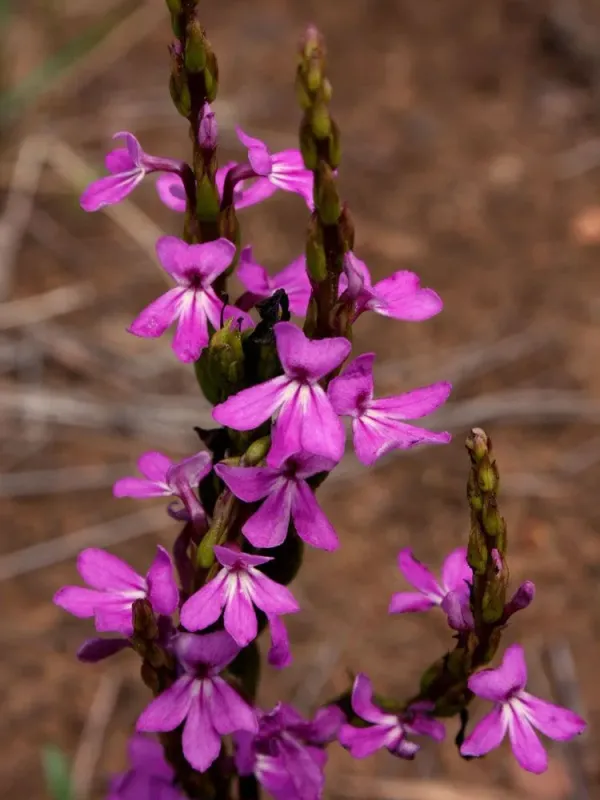
Description
Growing requirements
Striga aequinoctialis is a parasitic plant species belonging to the Orobanchaceae family. Unlike conventional crops, it is a devastating weed that poses a significant threat to global agriculture, particularly in tropical regions where it attacks the roots of various cereal species.
The origin and primary distribution area of this species are centered in the equatorial zones of Africa. It thrives in high-temperature environments, typically colonizing areas with sandy or nutrient-poor soils where native and cultivated host plants are already under stress.
Botanically, it is characterized by its reliance on a host. It develops specialized structures known as haustoria that penetrate the root system of the host plant. Through these connections, the parasite siphons water, mineral nutrients, and photosynthates, essentially stealing the energy meant for crop yield.
Climate and soil requirements for germination are highly specific. The seeds of Striga aequinoctialis remain dormant in the soil for years and require a chemical stimulant (strigolactone) secreted by the host root to germinate, ensuring the parasite only emerges when a food source is nearby.
Agrotechnical management is notoriously difficult. Because the plant is parasitic and produces a vast number of microscopic seeds, conventional cultivation methods are often insufficient. Integrated weed management programs are essential to deplete the seed bank within the soil over several growing seasons.
Main diseases and pests
The primary threat posed by Striga aequinoctialis is its ability to cause total crop failure. The parasite reduces the host's biomass, interferes with photosynthesis, and prevents proper grain development, leading to massive economic losses for smallholder farmers who rely on cereal production.
There are no biological enemies that effectively control the spread of this parasite. Instead, agronomic efforts focus on "trap crops" that induce suicidal germination, where the weed sprouts but cannot find a host to attach to, eventually dying before it can complete its life cycle.
Proper fertilizer management is another key strategy. Research suggests that high levels of nitrogen can reduce the severity of Striga infestation, as the parasite is less adapted to colonizing plants growing in nutrient-rich conditions, though this does not provide complete immunity.
Crop rotation remains the most effective long-term method for managing infestations. By rotating susceptible cereals with non-host crops like cotton or specific legumes, farmers can break the life cycle and gradually reduce the population density of the parasite in their fields.
Stringent phytosanitary measures are required to stop its spread. Preventing the movement of contaminated soil on farm machinery and ensuring the purity of seed supplies are critical steps in keeping Striga aequinoctialis from invading new, healthy agricultural landscapes.