
Sopubia delphinifolia
Sopubia delphinifolia
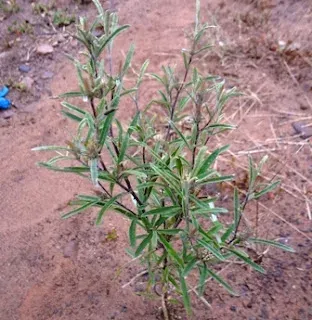
Description
Growing requirements
Sopubia delphinifolia is a species of herbaceous plant belonging to the Orobanchaceae family. Known for its distinct hemi-parasitic habit, the plant possesses the ability to form haustoria, which penetrate the roots of host plants to extract essential nutrients, water, and minerals.
The species is primarily native to tropical regions of Asia, specifically India. It frequently thrives in diverse environments, including moist grasslands, along the margins of agricultural fields, and occasionally in rice paddies where host plants are abundantly available.
Environmental requirements include a consistent moisture supply and tropical temperatures. Unlike fully autotrophic plants, Sopubia delphinifolia relies on the presence of a host plant to fulfill its growth requirements, making its distribution closely linked to the vegetation of the ecosystem.
Soil preferences lean towards well-aerated but moist substrates. The plant exhibits adaptability to various soil types, provided that the physical and chemical conditions allow for the successful establishment of root connections with appropriate host species.
Agrotechnical practices involve careful management of the plant-host interaction. To promote health, it is essential to monitor the vigor of host plants. If the host becomes overly stressed or dies, the semi-parasite will rapidly decline due to the loss of its primary nutrient pathway.
Main diseases and pests
The most common threats to Sopubia delphinifolia include fungal infections occurring during high-humidity periods. These pathogens thrive in stagnant water conditions, often leading to stem rot and systemic decline of the foliage.
Insect pests, particularly aphids and various sap-sucking insects, present a continuous challenge. These pests not only physically damage the plant but can also serve as vectors for various plant viruses that are detrimental to hemi-parasitic species.
Root-associated pathogens can be particularly damaging due to the plant's delicate root system. Since the root interface is the primary point of nutrient absorption from the host, any soil-borne fungal or bacterial disease at this site can lead to rapid wilting.
Integrated pest management is vital for the protection of this species. Biological controls and the maintenance of a balanced ecosystem are preferred over heavy chemical interventions, which might disrupt the delicate chemical signaling between the parasite and its host.
Vigilance is required during the vegetative phase to identify early signs of infestation. Prompt removal of heavily damaged leaves and the promotion of good airflow within the plant canopy can significantly reduce the risk of disease spread within a crop population.