
Cissus quadrangularis
Cissus quadrangularis
Cissus quadrangularis is a perennial succulent vine belonging to the Vitaceae family. It is native to the tropical and subtropical regions of Africa, Arabia, and Asia, where it is traditionally used for its therapeutic properties.
What the section contains
Cissus quadrangularis
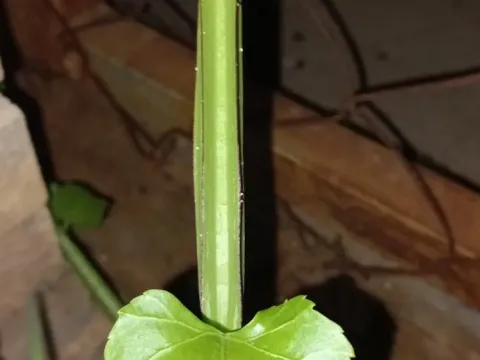
The plant is distinguished by its unique four-angled fleshy stems that store water and nutrients. It utilizes tendrils to climb nearby vegetation or structures, demonstrating a highly adaptive growth strategy in arid environments.
This crop thrives in warm, tropical climates with abundant sunlight. It requires full sun exposure for optimal stem thickening and metabolic activity, which directly impacts the concentration of its medicinal compounds.
The soil must be well-draining, such as a sandy or gravelly loam. Waterlogging is the primary enemy of this species, as it rapidly induces root rot, making drainage management the most critical aspect of soil preparation.
Agricultural management involves routine pruning to promote branching and increase biomass yield. The plants are typically propagated through stem cuttings, which root easily under warm conditions and high humidity.
Cissus quadrangularis is primarily harvested for its high content of phytosterols and vitamin C, which are extracted for bone health supplements. It is increasingly grown in controlled environments to meet the high demand of the nutraceutical industry.
With proper fertilization and climate control, producers can achieve high annual yields. The plant is valued for its ability to regenerate quickly, allowing for multiple harvests per year from the same established root systems.
The main threats to the plant include fungal diseases such as stem rot, which occur when ambient humidity is too high or air circulation is insufficient. Managing ventilation is essential for preventing these outbreaks.
Pests like spider mites and mealybugs can infest the succulent stems, especially in greenhouse conditions. Integrated pest management using neem oil or specific biological controls is recommended to ensure the purity of the medicinal product.
Harvesting consists of trimming mature stem sections while leaving enough of the base to allow for rapid regrowth. Careful handling is necessary to maintain the integrity of the succulent tissue before the drying process begins.
Post-harvest, the stems must be dried promptly using low-heat methods to preserve their active chemical profile. Effective drying prevents fermentation and ensures a high-quality finished product for further processing.