
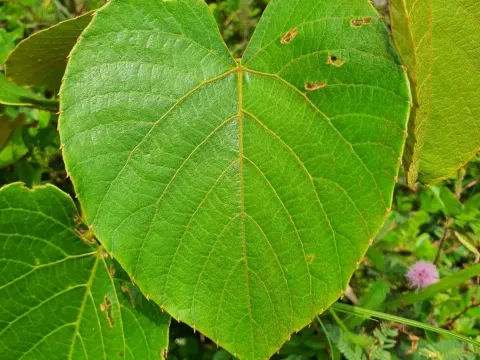
Cissus repanda
Cissus repanda
Cissus repanda is a vigorous, woody climbing vine belonging to the Vitaceae family, widely known for its rapid growth rate and ability to climb using specialized tendrils. This species is native to tropical and subtropical regions of Asia, primarily found in the lush forests of India and Nepal.
What the section contains
Cissus repanda
Botanically, the plant features heart-shaped or ovate leaves with serrated margins and pubescent surfaces on young growth. As a forest-dwelling vine, it thrives in environments that mimic the natural canopy shade, providing essential protection from harsh direct sunlight.
The climate requirements include consistently warm temperatures, ideally between 20°C and 28°C, and high relative humidity. It is sensitive to sudden cold drops, which can lead to leaf drop and stunted development of the primary stems.
Soil management for Cissus repanda involves using a well-draining, nutrient-rich potting mix that prevents moisture accumulation around the root system. High organic content helps maintain the vitality of the plant throughout the active growth phase.
Watering should be balanced, ensuring the substrate remains moist but never saturated. In agricultural or horticultural settings, providing a sturdy trellis system is crucial for managing the vine's natural spreading habit and promoting healthy air circulation.
Spider mites are the most common pests affecting this species, particularly in environments with low air humidity. They damage the foliage by piercing the leaf cells, which can be mitigated through regular misting and increased air moisture.
Mealybugs often infest the nodes and young shoots, secreting honeydew that can attract secondary fungal growth. Routine inspections and washing affected areas with mild solutions are effective manual control strategies for small-scale cultivation.
Root rot is a major physiological threat often linked to poor drainage or overwatering during dormant periods. Proper sanitation and the use of porous growing containers significantly reduce the likelihood of these soil-borne pathogens establishing.
Leaf spot diseases may occur if the foliage remains wet for extended periods in areas with poor ventilation. To prevent this, focus on overhead watering efficiency and maintaining a space between individual plants to allow for airflow.
Nutrient deficiencies, specifically nitrogen or iron, can result in chlorosis, reducing the plant's decorative appeal and overall vigor. A balanced application of liquid fertilizer during the vegetative growth cycle is recommended to maintain optimal plant health.