
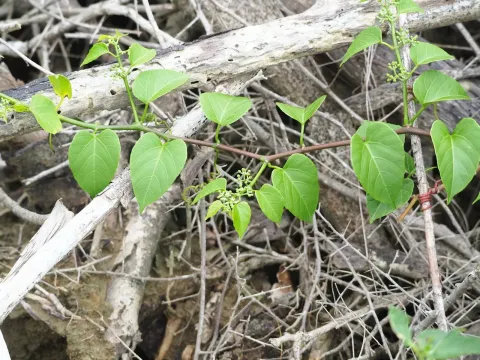
Cissus repens
Cissus repens
Cissus repens is a member of the Vitaceae family, widely known as a creeping vine. This perennial species is native to tropical and subtropical regions of Asia, specifically thriving in the humid forest environments of countries like China, India, and Vietnam.
What the section contains
Cissus repens
The crop requires a warm and humid climate to flourish. In agricultural settings, it is primarily grown in controlled environments or greenhouses, as it cannot tolerate frost or temperatures falling below 15 degrees Celsius for extended periods.
Soil requirements involve a well-drained, nutrient-rich substrate with a slightly acidic to neutral pH level. Proper drainage is critical to prevent waterlogging, which is a major physiological threat to the root system of this species.
The agrotechnology for this plant focuses on vertical growth management. Growers must provide suitable trellises or supports because Cissus repens utilizes tendrils to climb, making it an efficient candidate for intensive indoor farming or specialized horticulture.
Its economic importance lies in its pharmacological potential. Research indicates that various parts of the plant contain phytochemicals that exhibit anti-inflammatory and wound-healing properties, making it a subject of interest in medicinal plant production.
The primary pests affecting Cissus repens are spider mites and mealybugs, which tend to proliferate in dry, poorly ventilated conditions. Regular monitoring is essential to prevent infestations from spreading through the greenhouse.
Fungal pathogens such as root rot and powdery mildew are significant threats. These diseases are usually triggered by excessive irrigation or poor air circulation, necessitating a strict adherence to moisture control protocols.