
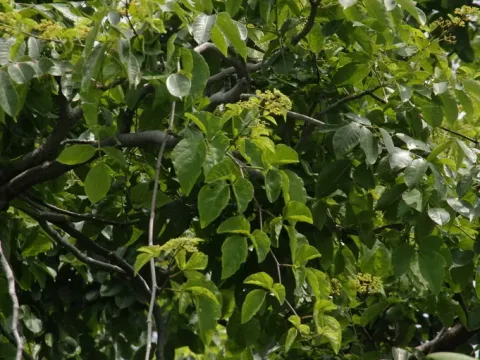
Cissus alata
Cissus alata
Cissus alata is an evergreen vine belonging to the Vitaceae family. Known for its lush foliage and rapid growth rate, it is widely utilized in horticulture for interior landscaping and vertical greening projects due to its hardy nature and adaptability.
What the section contains
Cissus alata
Originating from the tropical regions of South and Central America, this plant thrives in environments that mimic its native habitat. It requires bright, indirect light to maintain healthy chlorophyll production and avoid leaf scorching caused by direct sunlight exposure.
Regarding soil requirements, the culture prefers a nutrient-rich, well-draining potting medium. A mix of peat, humus, and perlite ensures adequate aeration for the root system. Proper drainage is critical to prevent waterlogging, which is a common cause of failure in cultivation.
The agronomic management of Cissus alata involves providing structural supports such as trellises or moss poles. Since it is a climbing plant, allowing it to grow vertically promotes better leaf development and improves the overall aesthetic appeal of the plant.
Irrigation must be synchronized with the growth cycle. During the active growing season, consistent moisture is necessary, while in the dormant winter period, watering should be reduced to prevent root rot and physiological stress.
Common pests affecting Cissus alata include the two-spotted spider mite, especially in environments with low relative humidity. These pests feed on the cell sap, leading to stunted growth and the appearance of yellow, speckled leaves.
Mealybugs are another frequent threat, often found in the leaf axils. Their presence can lead to the formation of soot mold on the foliage due to the honeydew they secrete, which inhibits photosynthesis and weakens the plant significantly.
Fungal root rots caused by Phytophthora or Pythium species often result from overwatering and poor soil aeration. Symptoms include sudden wilting despite moist soil, browning of leaf edges, and a gradual decline in the plant's structural integrity.
Cultural control measures, such as maintaining optimal airflow and humidity, are essential for pest prevention. Regularly wiping the leaves with a damp cloth can also help remove dust and discourage the establishment of small pest populations.
Chemical intervention should be considered a last resort. If pest pressure is high, applying horticultural oils or systemic insecticides can provide effective control, provided that the manufacturer's safety instructions are strictly followed for indoor use.