
Cissus
Cissus L.
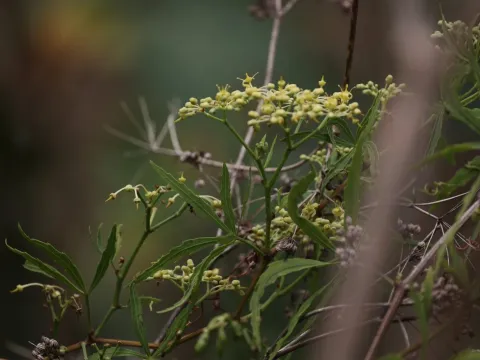
Cissus (lat. Cissus L.) is a diverse genus of woody climbing plants belonging to the Vitaceae family. These plants are native to tropical and subtropical regions across Africa, Asia, Australia, and the Americas, where they inhabit forests and thickets by climbing on host plants using specialized tendrils.
What the section contains


Cissus
The botanical structure of Cissus features robust stems and varied leaf shapes, including heart-shaped and compound-palmate forms. As vigorous climbers, these plants exhibit high rates of vegetative growth, making them highly effective for vertical gardening and large-scale interior landscaping.
Optimal environmental conditions for Cissus involve bright, indirect sunlight, as direct exposure can scorch the foliage. The plants thrive in warm climates with temperatures ideally kept between 20°C and 25°C, requiring protection from cold drafts and sudden drops in ambient temperature.
Regarding soil, Cissus requires well-draining, nutrient-rich substrates to prevent moisture retention. A standard potting mix consisting of peat, leaf mold, and coarse sand provides the necessary aeration and moisture regulation to support healthy root development and overall plant vitality.
In terms of хозяйственное usage, Cissus is primarily utilized in the ornamental plant industry as a popular houseplant. Its resilience, combined with its ability to tolerate diverse indoor environments, has cemented its status as a staple for both professional interior designers and amateur indoor gardeners.
Common pests affecting Cissus include spider mites, which thrive in low-humidity environments, scale insects, and mealybugs. Maintaining high ambient humidity through regular misting and cleaning the leaves can significantly reduce the risk of infestation by these organisms.
Overwatering is the primary cause of physiological stress in Cissus, often leading to root rot and fungal infections. To maintain plant health, it is essential to allow the top layer of the substrate to dry out between watering sessions and to ensure that drainage holes are never blocked.