
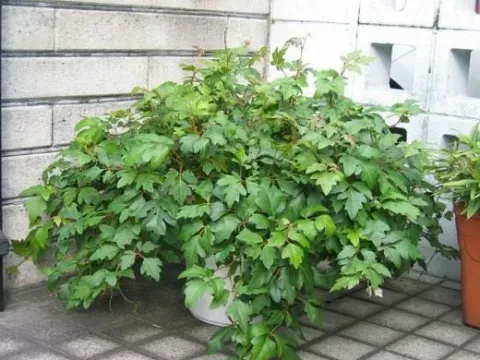
Cissus
Cissus hybrids
Cissus is a genus of perennial evergreen vines belonging to the Vitaceae family. These plants are native to tropical and subtropical regions across Africa, Asia, Australia, and the Americas, where they thrive in diverse humid habitats.
What the section contains
Cissus
The botanical structure of Cissus includes flexible climbing stems equipped with tendrils that allow the plant to anchor onto vertical surfaces or supports. The leaves are typically petiolate and can vary from simple to compound forms.
To ensure optimal growth, Cissus requires bright, indirect lighting. Direct sunlight exposure should be avoided as it may damage the leaf tissue and reduce the ornamental quality of the foliage.
The soil environment must be well-drained and nutrient-rich to support vigorous growth. A substrate with a slightly acidic to neutral pH is ideal for nutrient uptake, combined with regular but cautious watering to prevent root hypoxia.
Temperature management is vital, with a preferred range of 18 to 25 degrees Celsius during the growing season. A cooler dormant period is beneficial for plant health, helping to regulate physiological processes for the upcoming year.
Spider mites are the most common pests, particularly prevalent in indoor environments with low humidity levels. Regular leaf misting and inspection help mitigate infestations.
Root rot is a major threat caused by overwatering or compacted soil. It is essential to ensure that the potting medium allows for rapid excess water drainage to keep roots healthy.
Mealybugs can cluster in stem nodes and under leaves, sapping the plant's vitality. Manual removal or the application of appropriate horticultural soaps is recommended for control.
Powdery mildew may occur when air circulation is poor and humidity levels are too high. Improving ventilation around the plant is the primary strategy to prevent this fungal issue.
Scale insects can be difficult to manage once established. Routine monitoring and the use of systemic insecticides are often necessary to keep the plant free from these pests.