
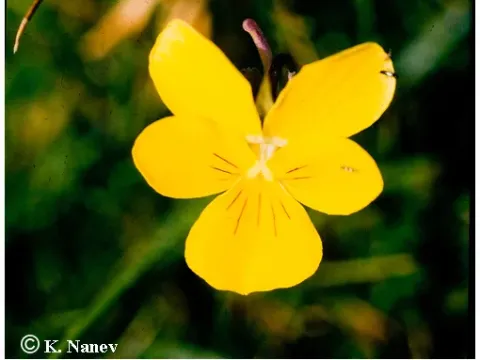
Rhodope violet
Viola rhodopeia
Rhodope violet (Viola rhodopeia) is a perennial herbaceous plant belonging to the Violaceae family. It is native to the rocky landscapes of the Rhodope Mountains, where it thrives in harsh mountain climates and specialized ecological niches.
What the section contains
Rhodope violet
The plant features a dense basal rosette of leaves and produces flowers that are typical for the Viola genus, adapted to survive in shallow, nutrient-poor, and stony mountain soils. It is classified as an alpine species, which dictates its slow growth pattern and specific physiological requirements.
Regarding soil requirements, this violet demands a well-drained substrate, preferably with a slightly alkaline pH. Integrating grit, limestone, or fine gravel is essential to provide the necessary aeration and prevent moisture retention, which is fatal for this species in a garden setting.
The species requires a cool, temperate climate to succeed in cultivation. Excessive heat and direct sunlight during summer months can scorch the foliage, necessitating site selection that offers partial shade, especially during the hottest parts of the day.
Agronomic management is minimal, focusing on replicating alpine conditions. The goal of cultivation is to ensure a long-term survival in rock gardens or specialized collections, avoiding any intensive fertilizing programs that could weaken the natural compact form of the plant.
The primary threats to Rhodope violet include fungal infections, such as crown rot or powdery mildew, triggered by poor air circulation and excessive ambient moisture. Maintaining a dry, well-ventilated environment is critical to ensure the plant's health throughout the year.
Pests such as aphids and spider mites can occasionally colonize the rosettes, particularly in greenhouse conditions or during hot, dry spells. Regular monitoring and, if necessary, the application of horticultural soap or organic pesticides are recommended to preserve the integrity of the foliage.