
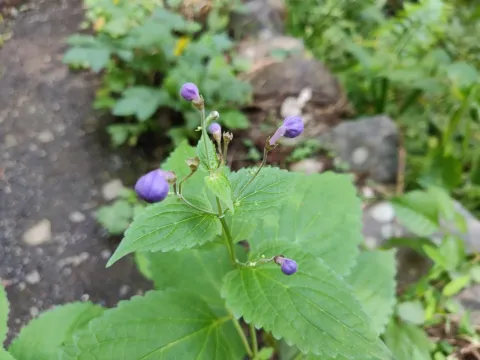
Tripora
Tripora P. D. Cantino
Tripora, formerly associated with the genus Caryopteris, belongs to the Lamiaceae family. This perennial genus is known for its elegant habit and late-season blooms, which make it a significant asset in specialized agricultural and ornamental landscapes.
What the section contains

Tripora
The plant originates from East Asia, specifically thriving in regions of China, Korea, and Japan. It is biologically adapted to temperate zones and prefers open environments where light intensity is sufficient to support its woody stem development.
Soil requirements for Tripora emphasize the necessity of excellent drainage. While it can adapt to various soil textures, it performs best in loose, slightly alkaline to neutral soil profiles. High organic matter content helps in moisture retention without causing waterlogging.
Climatic adaptability is a strong point for this crop, although it requires protection from severe frost in colder regions during its establishment phase. It is generally hardy, but site selection should aim to minimize exposure to harsh, desiccating winter winds.
In terms of agricultural and landscape utility, Tripora serves as an exceptional pollinator-friendly crop. Its role in supporting local biodiversity and maintaining a balanced ecosystem makes it a preferred choice for integrated agricultural projects.
Tripora exhibits robust natural resistance to most common field pests and diseases. However, the most significant threat stems from improper cultural practices, specifically poor drainage, which leads to root rot pathogens.
Powdery mildew represents the most frequent fungal challenge, particularly in areas with high humidity and poor airflow. Managing plant density and ensuring proper sunlight penetration are the primary methods for disease mitigation.
Pest pressures are generally low; however, aphids and spider mites can occasionally affect tender shoots during periods of drought. Monitoring and physical removal or organic-based sprays are usually sufficient to manage these populations.
Slugs and snails may occasionally cause damage to emerging basal growth in the spring. Implementing barrier methods or baiting can prevent significant structural damage to the plant during its critical early growth stage.
Overall management should focus on preventive sanitation. By removing debris and keeping the base of the plant free from excessive mulch, growers can drastically reduce the overwintering capacity of potential pathogens.