
Stachytarpheta frantzii
Stachytarpheta frantzii
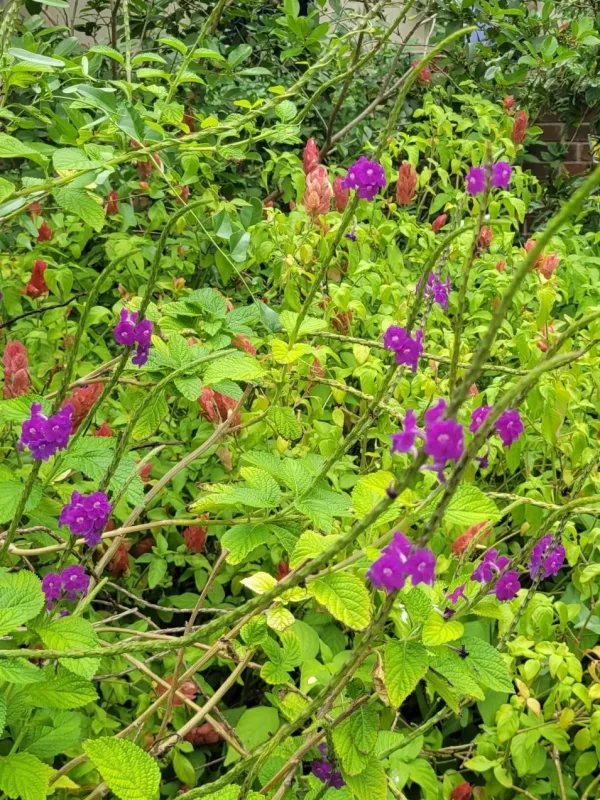
Description
Sowing dates
Stachytarpheta frantzii, a member of the Verbenaceae family, is a captivating tropical plant. While it acts as a perennial in its native tropical regions, it is frequently grown as an ornamental annual or container plant in temperate climates where cold winters would otherwise prove fatal.
The sowing process begins in late winter within a controlled greenhouse environment. Seeds require temperatures between 22–25 degrees Celsius and consistent lighting to germinate effectively, ensuring they have sufficient time to develop into strong seedlings before the transplantation stage.
For the substrate, a light and porous mix containing peat and perlite is essential to ensure high aeration. Maintaining steady moisture levels is crucial, but caution must be exercised to prevent the substrate from becoming waterlogged, which poses a significant risk to the developing root system.
Once the seedlings develop their second set of true leaves, they are ready for transplanting. Moving them into their final pots or outdoor locations should only occur after all risks of frost have passed, as the plant is highly sensitive to cold temperatures.
When planting in open fields or large containers, providing adequate spacing (at least 40–50 cm) is necessary for proper air circulation. This helps manage the growth habit of the plant and prevents the development of localized humidity issues that favor pests.
Growing requirements
Full sun exposure is the primary requirement for Stachytarpheta frantzii. Sunlight drives the dense, vibrant flowering that characterizes this species; plants grown in shade tend to become leggy and rarely produce the high-quality blooms expected of the cultivar.
Soil quality should lean towards fertility with excellent drainage. The plant thrives in slightly acidic to neutral soils. Heavy, compacted soils prevent oxygen from reaching the roots, leading to rapid decline, so amending native soil with organic matter is highly recommended.
Watering practices must be disciplined. While the plant can withstand short periods of dryness, it performs best with regular irrigation. Consistency is key, as drastic fluctuations in soil moisture can cause flower bud drop and leaf stress.
Nutritional management involves using balanced fertilizers with a focus on phosphorus to support flowering. Excessive nitrogen should be avoided, as it redirects the plant's energy toward vegetative growth, resulting in fewer flowers and a less aesthetic appearance.
Climate stability is paramount. The plant is not frost-hardy and will experience significant stress if temperatures dip below 10 degrees Celsius. In non-tropical regions, utilizing containers allows growers to protect the plant by moving it indoors during inclement weather.
Main diseases and pests
Aphids and spider mites are the most common pests encountered. These insects are particularly attracted to plants under stress or those kept in excessively dry environments, necessitating regular monitoring of the underside of leaves for early signs of infestation.
Whiteflies can also become a nuisance, particularly in sheltered greenhouse conditions. Implementing integrated pest management strategies, such as biological controls or targeted applications of systemic insecticides, is necessary to maintain clean, healthy plant stocks.
Root rot remains the most serious threat to the longevity of Stachytarpheta frantzii. It is almost exclusively caused by overwatering or poor drainage systems, underscoring the importance of testing soil moisture levels before administering water.
Fungal leaf spots can develop during periods of high humidity and prolonged rainfall. Maintaining proper spacing and removing any foliage that shows signs of decay helps reduce the risk of disease spread within the planting area.
To preserve the ornamental value of the plant, regular maintenance such as deadheading spent flowers and removing damaged branches is highly encouraged. This practice not only improves the appearance but also minimizes the sites where pathogens might establish.