
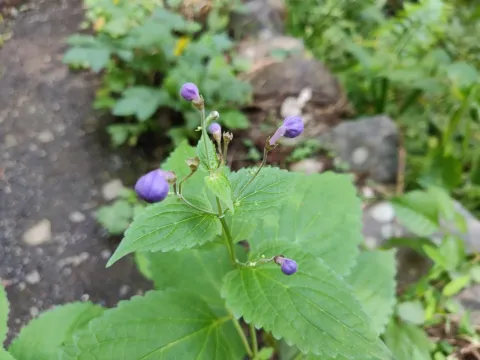
Tripora
Tripora
Sowing Tripora, a genus within the Verbenaceae family, is best initiated in early spring once the threat of frost has passed. Seeds require a consistent temperature to germinate efficiently, making early May the preferred timeframe for direct outdoor sowing in temperate zones.
What the section contains
Tripora
For indoor starts, sowing in trays during March allows for a longer growing season. Using a sterile, well-draining seed-starting mix prevents damping-off, a common issue during the initial propagation phase of these plants.
Seed depth should be kept shallow, barely covering the seeds with vermiculite or fine soil to ensure adequate light exposure. Constant moisture must be maintained, typically through the use of a humidity dome or misting, until the first true leaves emerge.
Transplanting seedlings to their final location requires careful handling of the root ball. Space plants at least 50 centimeters apart to accommodate their mature size and to encourage healthy airflow, which is crucial for preventing fungal stagnation.
Site preparation involves integrating compost into the top 15 centimeters of soil. This provides the necessary organic matter to sustain vigorous growth throughout the summer months and ensures that the plants are well-established before autumn dormancy.
Tripora species, native to East Asia, are known for their resilience and architectural appeal in landscape settings. They thrive in climates that provide a long, warm growing season, although they can adapt to various environmental niches if correctly managed.
Sunlight requirements for Tripora are high, as the plant needs full sun to partial shade to produce its distinctive flowers. In regions with intense afternoon heat, some shade during the hottest part of the day can prevent leaf scorch and prolong blooming.
Soil structure is critical; the plant demands excellent drainage to prevent root rot. While it can grow in various soil types, a loamy soil amended with sand or gravel is ideal to mimic the natural, well-aerated conditions of its origin.
Irrigation should be managed based on local precipitation. While established plants show decent drought tolerance, supplemental watering during the flowering stage ensures larger and more vibrant clusters, which are highly valued in ornamental use.
Fertilization with a balanced, slow-release fertilizer during the onset of active growth supports development. Over-fertilization should be avoided, as it may result in excessive vegetative growth at the expense of floral production and stem strength.
Fungal pathogens such as powdery mildew are the most frequent threats to Tripora, especially in regions with high nocturnal humidity. Proper spacing and strategic pruning are the best defenses against these widespread horticultural issues.
Pests, particularly spider mites, can become problematic during dry spells. These organisms thrive in low-humidity environments, and their presence can lead to stippling and yellowing of the leaves, potentially reducing the plant's overall vitality.
Aphid infestations are also possible on the succulent stems of the plant. Monitoring the underside of leaves and tips of stems is essential, as localized outbreaks can be controlled manually if detected early without the need for intensive chemical applications.
Root rot, driven by waterlogged soil, remains a major risk factor. To mitigate this, soil moisture should be checked frequently, and drainage systems should be inspected annually, particularly in areas prone to heavy spring rainfall.
Effective weed management is necessary to reduce competition for nutrients and water. By employing organic mulch around the base of the plants, growers can suppress weed germination while maintaining soil moisture and temperature stability.