
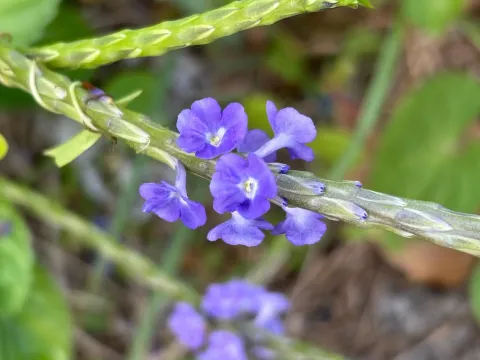
Stachytarpheta
Stachytarpheta
Stachytarpheta is a prominent genus within the Verbenaceae family, comprising numerous species of annual and perennial herbs or subshrubs. These plants are recognized by their distinct spike-like inflorescences that bear small, colorful flowers, typically in shades of blue or purple.
What the section contains


Stachytarpheta
The genus is native to the tropical Americas but has naturalized across various tropical regions globally, including parts of Africa and Asia. They thrive in warm, humid climates where they can grow year-round without the risk of frost or cold weather stress.
Cultivation requires well-drained soil rich in organic matter to maintain optimal nutrient levels. Stachytarpheta plants are particularly sensitive to waterlogging, which necessitates careful site selection and the use of raised beds or light, aerated soil compositions for commercial production.
Temperature management is critical; the crop flourishes at temperatures between 22°C and 30°C. In regions with cooler seasonal changes, these plants are often grown as container plants or seasonal annuals, as they cannot tolerate extreme temperature fluctuations or frost.
In terms of utility, Stachytarpheta is valued for both its ornamental appeal in landscaping and its historical use in traditional medicine. Extracts from various species are currently being studied for their potential pharmacological properties, including antioxidant and anti-inflammatory activities.
The crop is occasionally susceptible to common greenhouse pests such as aphids and whiteflies, which feed on the tender sap of the stems. Implementing an integrated pest management (IPM) strategy, including natural predators or soap-based sprays, is highly effective for control.
Root rot and powdery mildew remain the primary pathological concerns for this crop. Ensuring adequate spacing between plants and avoiding overhead irrigation can significantly reduce the incidence of these diseases and promote better overall harvest health.